If you have been wondering where Fort Collins is likely to change next, the short answer is this: much of the city’s growth is planned to happen inward, not just outward. That matters whether you are buying a home, selling a property, or evaluating a site for future potential. Fort Collins has been clear in its planning documents about where infill and redevelopment are expected, and understanding that map can help you make smarter real estate decisions. Let’s dive in.
How Fort Collins Is Planning Growth
Fort Collins uses a layered planning system to guide where new homes, businesses, and mixed-use projects are likely to go. The city’s City Plans page explains that City Plan is the long-range framework, while the Structure Plan identifies areas where infill, redevelopment, and some greenfield growth are likely.
The city’s Transit Plan points in the same direction. It states that much of future population and employment growth will be directed into Mixed Neighborhoods and Mixed-Use Districts along major transportation corridors.
That means Fort Collins is not treating growth as random. Instead, the city is steering new development toward areas with existing streets, services, and transit connections.
What Infill Means in Fort Collins
Infill means new homes or buildings on vacant or underused parcels inside existing neighborhoods or districts. According to the city’s Transit Plan, the Structure Plan explicitly maps where infill and redevelopment are likely.
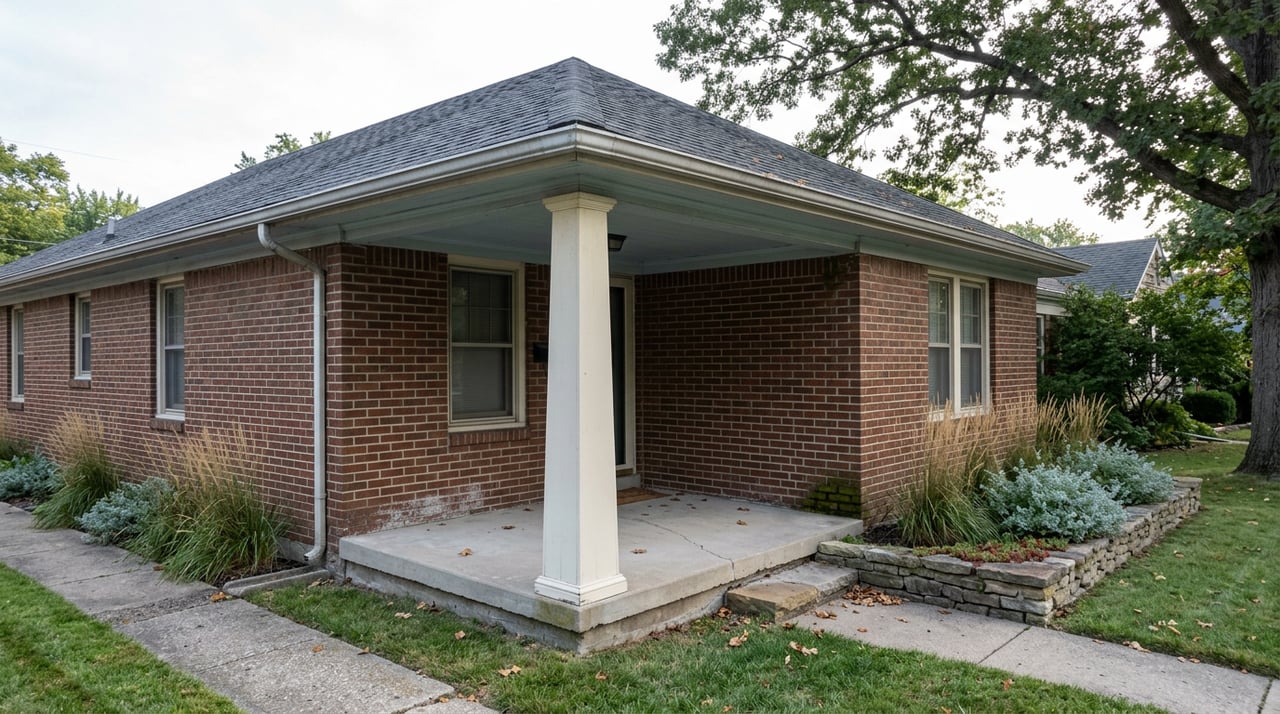
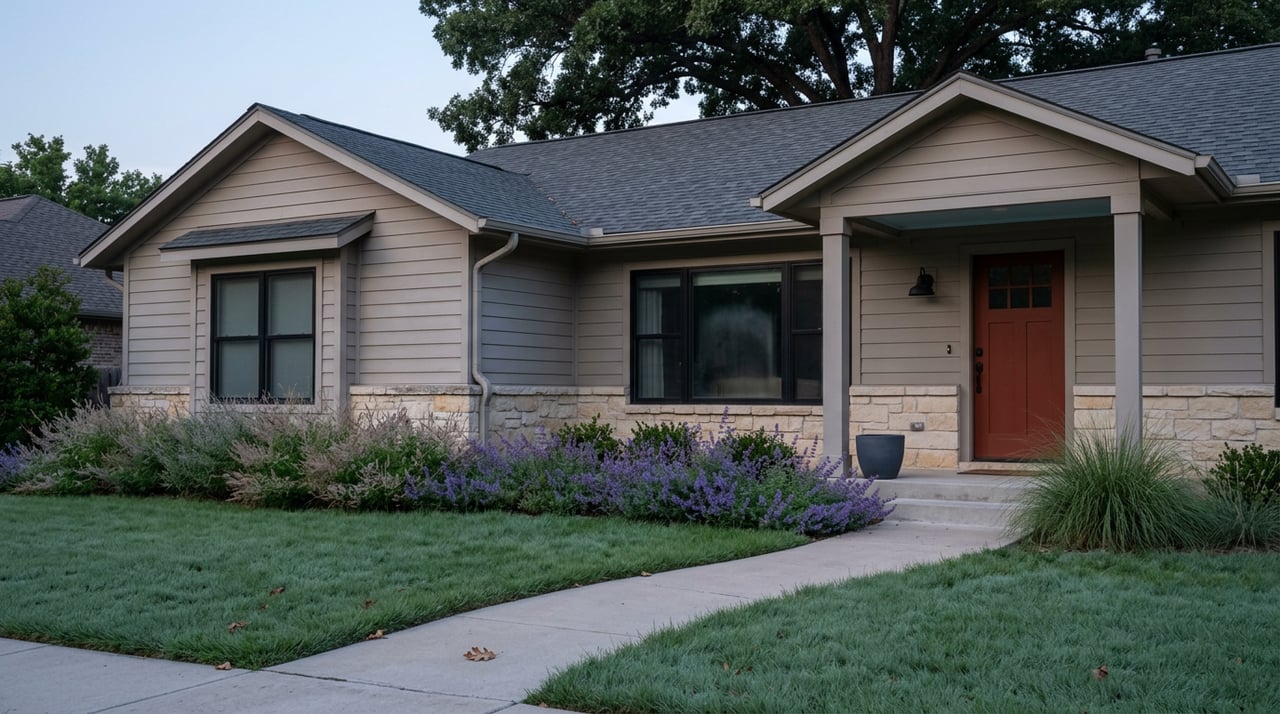
For you as a buyer or seller, infill often shows up as a new duplex on a small lot, a mixed-use project on an older commercial site, or additional housing added close to existing services. It is usually more about incremental change than large-scale sprawl.
What Redevelopment Looks Like
Redevelopment is different from simple new construction. The city’s South College Corridor Plan describes a direction that is more mixed-use, transit-friendly, and pedestrian-oriented.
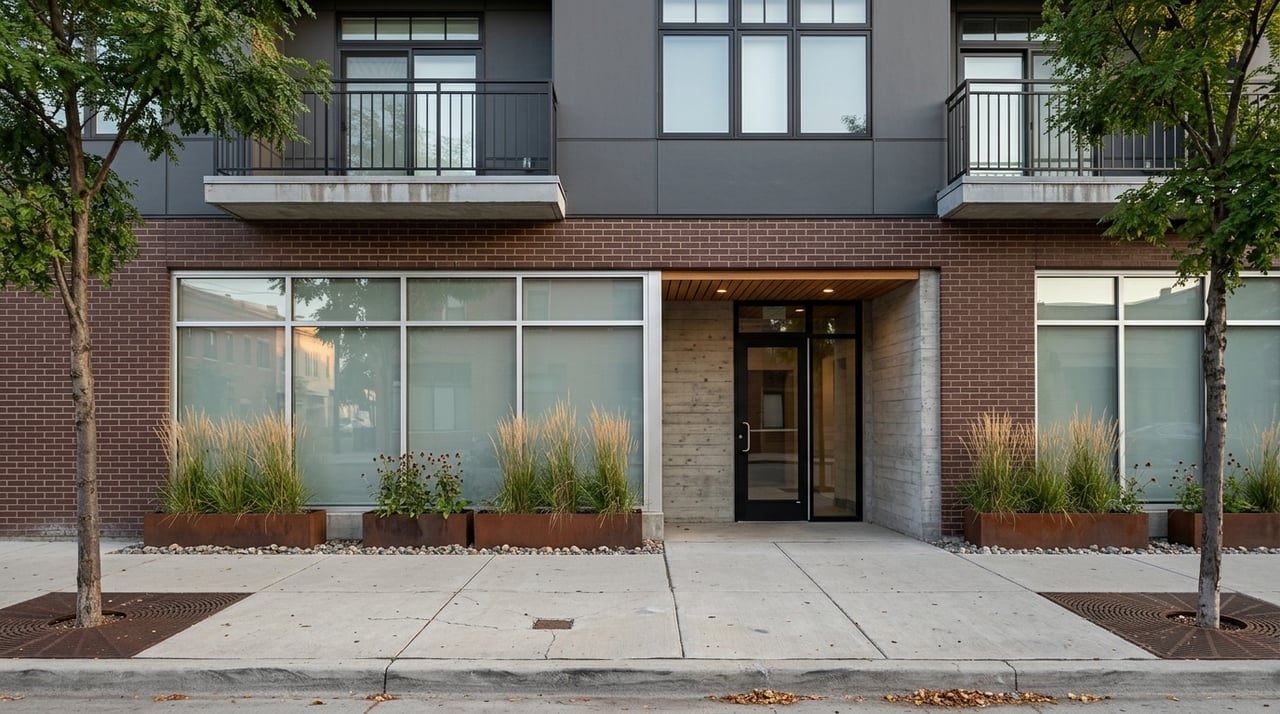
In practical terms, redevelopment often means older sites are reworked so they function better for how Fort Collins wants to grow today. That can include updated commercial corridors, apartment or row house projects, and buildings designed to work better with sidewalks, transit, and surrounding uses.
Why Corridors Matter So Much
Fort Collins places a lot of emphasis on corridor planning. The city says corridor plans guide land use, transportation, and urban design to improve connectivity, appearance, and economic vitality.
If you are trying to identify where change is most likely, major corridors are some of the first places to watch. These areas often have older auto-oriented development patterns, larger parcels, and public investment that can support future reinvestment.
Midtown Is a Clear Redevelopment Example
Midtown is one of the strongest examples of corridor change in Fort Collins. The city and the Midtown Business Improvement District are reimagining South College Avenue between Drake and Boardwalk to improve safety, access, trail connections, sidewalks, medians, intersections, and placemaking.
That public vision builds on the city’s South College Corridor Plan, which describes the corridor as evolving from an auto-oriented strip into a more walkable destination with a mix of activities. If you own property near this stretch, or you are looking to buy nearby, this is the type of area where long-term positioning can matter.
North College Has a Different Growth Pattern
North College shows a similar growth theme, but with a different layout and timing. The city’s North College Corridor Plan says access management will reshape the corridor over time, with more reliance on cross streets and circulators instead of direct highway access.
The plan also identifies property assembly for redevelopment sites of significance and describes a future Enhanced Travel Corridor linking North College to Downtown and Mountain Vista. For investors and owners, that signals the city sees this area as a long-term redevelopment corridor, not just a pass-through road.
Mulberry and Other Key Areas
Fort Collins’ 15-Minute City initiative reinforces the same strategy. It is a 2024 to 2026 City Council priority and calls for more housing near existing services, more mixed-use development, fewer barriers to building ADUs, and redevelopment in key areas including Midtown and the Mulberry Corridor.
That is important because it confirms the city’s current policy direction. Growth is being tied to places where people can access daily needs more easily, rather than pushing everything to the edge of town.
Downtown Growth Is More Controlled
Downtown Fort Collins is still a growth area, but it is not a blank slate. The city’s Downtown Plan says developers should use the plan when proposing new infill or redevelopment, and it focuses on compatibility, affordability, parking, and how larger projects fit within the historic core.
This is one of the biggest distinctions in Fort Collins. Not all infill is treated the same. Downtown change is shaped by compatibility standards, transitions between subdistricts, building scale, and stepbacks near Old Town and the Poudre River Corridor.
The Downtown Development Authority’s Role
The Downtown Development Authority has been in place since 1981 and uses tax increment financing to stimulate redevelopment in the central business district. That kind of public tool matters because it can support the long-term redevelopment of strategic downtown sites.
For property owners and buyers, that means downtown growth is not just market-driven. It is also shaped by long-term public investment and policy.
The River Edge Has Opportunity and Limits
Along the river edge, the city has a specific zoning district called Community Commercial - Poudre River for downtown-fringe parcels with river frontage. The city’s zone district standards say this area supports moderate-intensity redevelopment compatible with the river and downtown context, including mixed-use, apartments, row houses, and duplexes.
At the same time, river-adjacent growth comes with real constraints. The city’s ADU guidance notes that no new units are allowed in the Poudre River 100-year floodplain.
The Poudre River Downtown Project also shows how seriously Fort Collins is managing this area. Its long-term goals include flood mitigation, habitat connectivity, water quality, public safety, access, recreation, and transportation. So if you are evaluating property near the river, both opportunity and flood-related limits need to be part of the conversation.
Street Design Is Part of the Growth Story
One detail that often gets overlooked is how street design standards shape redevelopment. Fort Collins uses build-to lines in commercial districts, which place buildings closer to the street and avoid front parking lots.
That may sound technical, but it has a visible impact. It creates a more urban street edge, improves the pedestrian experience, and changes how redevelopment feels compared with older strip-commercial patterns.
Infrastructure Is Following Growth
Fort Collins is not just talking about where growth should go. The city is also building transportation projects that support that direction.
For example, the Timberline Road widening project is tied to continued growth in southeast Fort Collins and is intended to reduce congestion while improving bike and pedestrian connections. On Laporte Avenue, the city has completed buffered bike lanes in one segment and is building further improvements that add sidewalks, bike lanes, traffic work, and related upgrades.
The city is also advancing projects like Shields Street transportation improvements, the Siphon Pedestrian Overpass, and West Elizabeth Bus Rapid Transit. The West Elizabeth project is especially notable because it creates a direct three-mile connection between CSU’s Main and Foothills campuses and links to the existing MAX line.
Why Transit-Supportive Areas Matter
The city’s Transit Plan says bus rapid transit should expand where land uses are transit-supportive, service should increase as density rises, and future growth should align with the transit network and major corridors.
That tells you something important about Fort Collins real estate. Infrastructure is being used to shape where growth makes the most sense, not just to react after the fact.
What Buyers Should Take From This
If you are buying in Fort Collins, the biggest takeaway is that future value may be tied not only to the property itself, but also to the city’s direction for the surrounding area. Downtown, Midtown, North College, the Mulberry Corridor, and certain transit-linked areas are all places where policy and infrastructure may influence long-term use and desirability.
You should also expect more housing variety in established areas. The city’s ADU program states that ADUs are allowed in all zone districts as of February 2025, subject to city requirements, which expands small-scale infill opportunities across Fort Collins.
For a homebuyer, that can mean more options. It can also mean you need to look carefully at nearby zoning, corridor plans, traffic changes, floodplain limits, and redevelopment timing before you decide what kind of location best fits your goals.
What Sellers Should Watch
If you own property on or near a planned corridor, your parcel may appeal to more than just a traditional homebuyer or business owner. Depending on location and site characteristics, it could also attract interest tied to assemblage, mixed-use potential, or long-term redevelopment.
That said, not every site is a redevelopment play. Floodplain restrictions, access-management rules, compatibility standards, and district-specific regulations can all affect what is feasible. Good strategy starts with understanding both the upside and the constraints.
What Investors Should Focus On
For investors, Fort Collins appears to favor incremental urban reinvestment over speculative outward sprawl. Based on the city’s plans and projects, the strongest value-add targets are often underused commercial strips, larger parcels on key corridors, and downtown-edge sites where public improvements may support future redevelopment.
This is where local analysis matters. A property may look promising on paper, but the real story usually depends on zoning, utilities, access, floodplain issues, corridor timing, and whether the public framework actually supports the use you have in mind.
Why Local Strategy Matters
Infill and redevelopment can create opportunity, but they also come with more moving parts than a typical suburban resale transaction. If you are evaluating a home, a commercial site, or a possible assemblage, you need to understand not just what the property is today, but what the city is signaling for tomorrow.
That is where a more strategic approach helps. If you want help thinking through corridor exposure, redevelopment potential, zoning context, or long-term property value in Fort Collins, connect with Michael Jensen. You will get practical guidance shaped by local experience, development awareness, and a clear view of risk as well as upside.
FAQs
What does infill mean in Fort Collins real estate?
- In Fort Collins, infill means new homes or buildings on vacant or underused parcels within existing neighborhoods or districts, rather than on the far edge of the city.
What does redevelopment mean along Fort Collins corridors?
- In Fort Collins corridor areas, redevelopment usually means older properties are reworked into more walkable, mixed-use, transit-friendly sites that better match current city plans.
Which Fort Collins areas are priority growth locations?
- Based on city planning documents, key focus areas include Downtown, Midtown, North College, the Mulberry Corridor, and other major transportation corridors tied to mixed-use and transit-supportive growth.
How does the Fort Collins 15-Minute City plan affect housing?
- The city’s 15-Minute City work supports more housing near existing services, more mixed-use development, fewer barriers to ADUs, and redevelopment in areas like Midtown and Mulberry.
Are ADUs allowed in Fort Collins neighborhoods?
- Yes. Fort Collins states that ADUs are allowed in all zone districts as of February 2025, subject to city requirements and location-specific rules.
How does the Poudre River affect redevelopment in Fort Collins?
- River-adjacent property can have redevelopment potential, but floodplain restrictions, design compatibility, and environmental considerations can limit what can be built.
Why do corridor plans matter when buying or selling in Fort Collins?
- Corridor plans matter because they shape future land use, transportation upgrades, access patterns, and redevelopment expectations, all of which can affect property value and buyer demand over time.