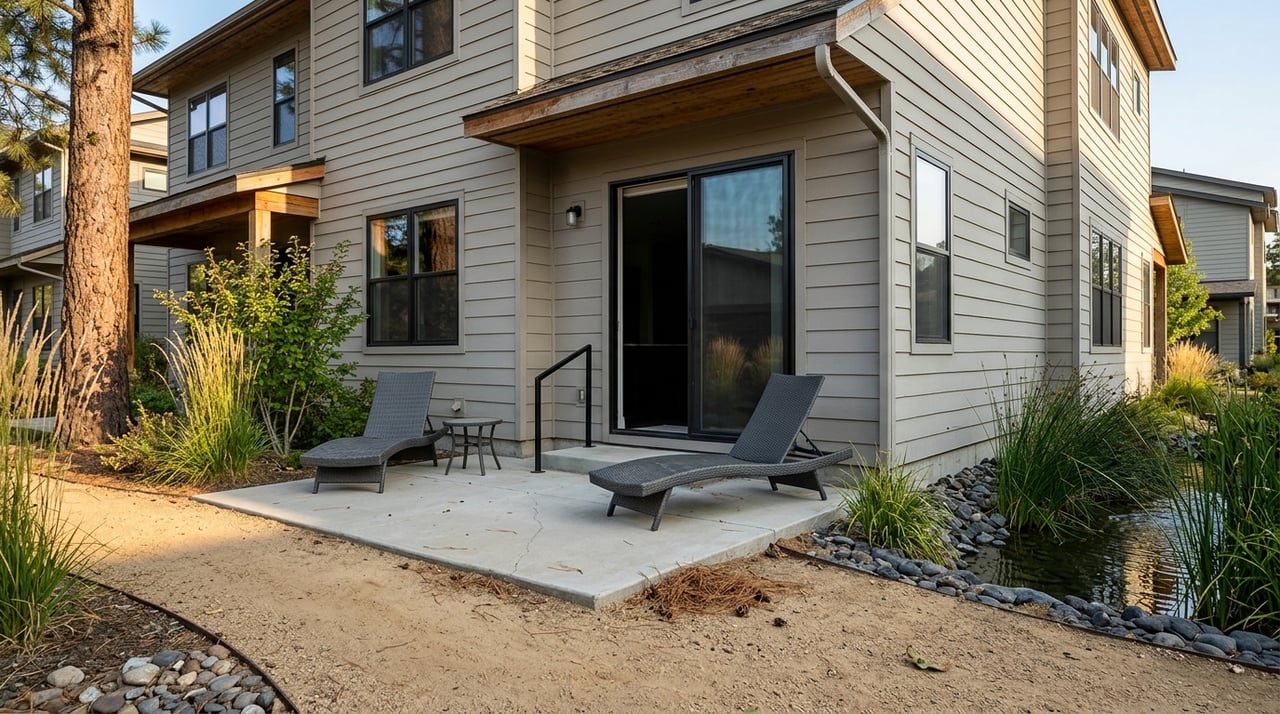
If you are comparing Northern Colorado cities, Loveland stands out for a simple reason: it packs a lot of daily lifestyle into a smaller footprint. You get public art woven into everyday spaces, meaningful lake and trail access, and a community calendar that keeps the city active year-round. If you want a clearer picture of what living in Loveland actually feels like, this guide will walk you through the basics. Let’s dive in.
Why Loveland Feels Distinct
Loveland was founded in 1877, incorporated in 1881, and today has an estimated population of 81,102. The city describes itself as the Sweetheart City and the Gateway to the Rockies, with easy access along I-25 and US-34, which helps connect residents to the rest of Northern Colorado and beyond. According to the City of Loveland, that combination of identity, location, and scale gives the city a character all its own.
For many buyers looking across Northern Colorado, Loveland can feel like a more compact option than nearby Fort Collins. Fort Collins has a larger population, while Loveland offers many of the same Front Range lifestyle benefits on a smaller scale. That matters if you want access to amenities without always feeling like you are navigating a larger city every day.
Art Is Part of Daily Life
One of Loveland’s biggest lifestyle advantages is how visible art is throughout the city. The Art in Public Places program explains that sculpture appears in neighborhoods, parks, playgrounds, and near businesses, not just in one central arts district. In practical terms, that means art is built into everyday routines instead of being treated like a special outing.
That citywide approach gives Loveland a different feel than communities where culture is concentrated in only one area. You may notice sculpture on a walk, during errands, or while spending time at a local park. For many residents, that becomes part of what makes the city memorable and easy to connect with.
Benson Sculpture Garden
Benson Sculpture Garden is one of Loveland’s best-known public spaces. The city says the garden is free to visit and features more than 150 sculptures, along with paths, benches, ponds, and a gazebo. You can learn more on the Benson Sculpture Garden page.
This is not just a quick photo stop. It is a place where you can slow down, walk, and spend real time outdoors while experiencing one of Loveland’s signature amenities. Each August, the garden also hosts Sculpture in the Park, which the city describes as the largest outdoor juried sculpture show and sale in the United States.
Chapungu Sculpture Park
Loveland also offers a very different outdoor art setting at Chapungu Sculpture Park at Centerra. The park is free, spans 26 acres, and includes 82 monumental stone sculptures created by Zimbabwean artists. It is open daily and designed as a walking park with trails and gathering areas.
For residents, spaces like this expand what “public art” means. It is not limited to downtown or one museum campus. It becomes another place where you can walk, meet up with friends, or spend part of a weekend without needing a big plan.
Museum and cultural programming
The Loveland Museum adds another layer to the city’s arts identity. City information describes it as an accredited art and history museum with exhibits, family events, lectures, poetry readings, and classes for a wide range of age groups. That gives downtown a steady cultural anchor beyond seasonal events.
The city’s Cultural Services division also includes the Rialto Theater and the Art in Public Places program. Together, those resources help show that the arts are part of Loveland’s civic fabric, not an afterthought.
Lakes and Trails Support Everyday Recreation
If you want easy access to the outdoors without leaving town, Loveland offers a strong mix of paved trails, soft-surface routes, and water-oriented recreation. The city reports that its Recreation Trail System includes 31 miles of paved trails that circle the community and connect parks, natural areas, neighborhoods, downtown, and Boyd Lake State Park. Loveland also has more than 20 miles of soft-surface trails.
That kind of connectivity matters in daily life. Instead of treating recreation like a once-a-week outing, you can build it into a morning ride, an evening walk, or part of your commute across town. For many buyers, that trail network is a meaningful lifestyle feature, especially if you value outdoor access close to home.
Boyd Lake State Park
Boyd Lake State Park is one of the most important outdoor amenities tied to Loveland. Colorado Parks and Wildlife describes it as a 2,082-acre park with 1,700 surface acres of water at capacity, plus boating, camping, swimming, fishing, paddlesports, picnicking, bicycling, walking, hunting, and wildlife viewing. The park also includes 140 paved campsites and habitat that supports more than 200 bird species.
If lake access is high on your list, Boyd Lake is a major part of the local lifestyle picture. It gives Loveland a real water recreation option that goes beyond just views. One current detail to keep in mind is that Colorado Parks and Wildlife says the Boyd Lake Marina is closed for the 2026 season, though the lake remains open and the main boat ramp is operating.
Lake Loveland and local fishing access
Loveland also offers shoreline fishing access at Lake Loveland and North Lake Park. That adds another layer to the city’s outdoor appeal, especially for residents who want nearby places to cast a line without planning a longer trip.
It is worth making one distinction clear. The city notes that the Lake Loveland Swim Beach is closed, so it should not be viewed as a currently operating municipal beach destination. In other words, Loveland does offer meaningful lake access, but the experience today is more about shoreline recreation and fishing than a full swim-beach setup at Lake Loveland.
Community Life Has a Steady Pulse
Loveland is not only about scenery and public amenities. It also has a community rhythm shaped by local events, museum programming, theater, classes, volunteer opportunities, and civic gatherings. The City of Loveland overview points to a wide range of activities that help the city feel active and participatory.
That can be an important quality if you are trying to picture your day-to-day life after a move. Some cities look good on paper but feel quiet outside a few busy pockets. Loveland appears to offer a more consistent community pulse, with events and public spaces that keep people engaged across the year.
Friday Night on the Town
One of the most visible examples is Friday Night on the Town, held on the second Friday of each month in downtown Loveland. Visit Loveland describes it as more than an art walk, with gallery receptions, restaurant and bar specials, late retail hours, brewery releases, and seasonal live art and music in the streets.
Events like this matter because they turn downtown into an active gathering place instead of just a business district. If you enjoy a city where local businesses, arts programming, and street activity overlap, this is a good example of how Loveland delivers that experience.
Sweetheart Festival
Loveland’s identity as the Sweetheart City also shows up in the annual Sweetheart Festival. Visit Loveland describes it as a free community event with live ice sculpting, fire and art demonstrations, musical and dance performances, family activities, and love-lock experiences.
For someone considering a move, events like this help define the city beyond statistics. They show how Loveland leans into its local identity and creates recurring traditions that residents can actually participate in.
Loveland Compared With Fort Collins
If you already know Fort Collins, Loveland is often easiest to understand by comparison. Loveland is the smaller city, and that difference in scale can shape how daily life feels. You still have access to major roads, outdoor recreation, arts programming, and community events, but with a city footprint that may feel more manageable depending on what you want.
That does not make one city better than the other. It simply means your fit may come down to lifestyle preferences, commute patterns, and how you want your routine to feel. If you like the idea of Northern Colorado living with visible public art, practical trail access, and a smaller-city rhythm, Loveland deserves a serious look.
What Buyers Should Notice
When you evaluate Loveland as a place to live, focus on the features that affect your everyday routine rather than just the headline attractions. Public art is spread across town, the trail system connects key parts of the city, and major recreation resources like Boyd Lake are part of the local landscape. That combination can support a lifestyle that feels active without being overly hectic.
It is also smart to separate long-term lifestyle value from one-time impressions. A city can have a great event calendar, but your real experience will come from how often you use the trails, parks, downtown spaces, and recreation areas during a normal week. Loveland’s strength is that many of its best features are built into regular life, not reserved for special occasions.
If you are weighing Loveland against Fort Collins or another Northern Colorado community, it helps to look at how scale, access, and future value fit your goals. That is where local guidance can make a real difference. If you want practical help sorting through Loveland and nearby markets, connect with Michael Jensen for clear, strategic advice tailored to how you want to live and what you want your purchase to do for you over time.
FAQs
What is daily life like in Loveland, Colorado?
- Daily life in Loveland often centers on a mix of public art, connected trails, lake access, downtown events, and community programming, all within a smaller city footprint.
What arts amenities are available in Loveland?
- Loveland offers citywide public art, Benson Sculpture Garden, Chapungu Sculpture Park at Centerra, the Loveland Museum, and recurring events like Friday Night on the Town.
What outdoor recreation options does Loveland offer?
- Loveland features a 31-mile paved recreation trail system, more than 20 miles of soft-surface trails, shoreline fishing access, and nearby recreation at Boyd Lake State Park.
Is Boyd Lake State Park part of the Loveland lifestyle?
- Yes, Boyd Lake State Park is a major local outdoor amenity with boating, fishing, camping, paddlesports, wildlife viewing, and other recreation opportunities tied closely to Loveland.
Does Lake Loveland still have a public swim beach?
- No, the City of Loveland says the Lake Loveland Swim Beach is closed, so current lake use should be understood more as shoreline recreation and fishing rather than an operating municipal beach.
How does Loveland compare with Fort Collins for buyers?
- Loveland is smaller in population than Fort Collins, which may appeal to buyers who want Northern Colorado amenities and access in a somewhat more compact setting.