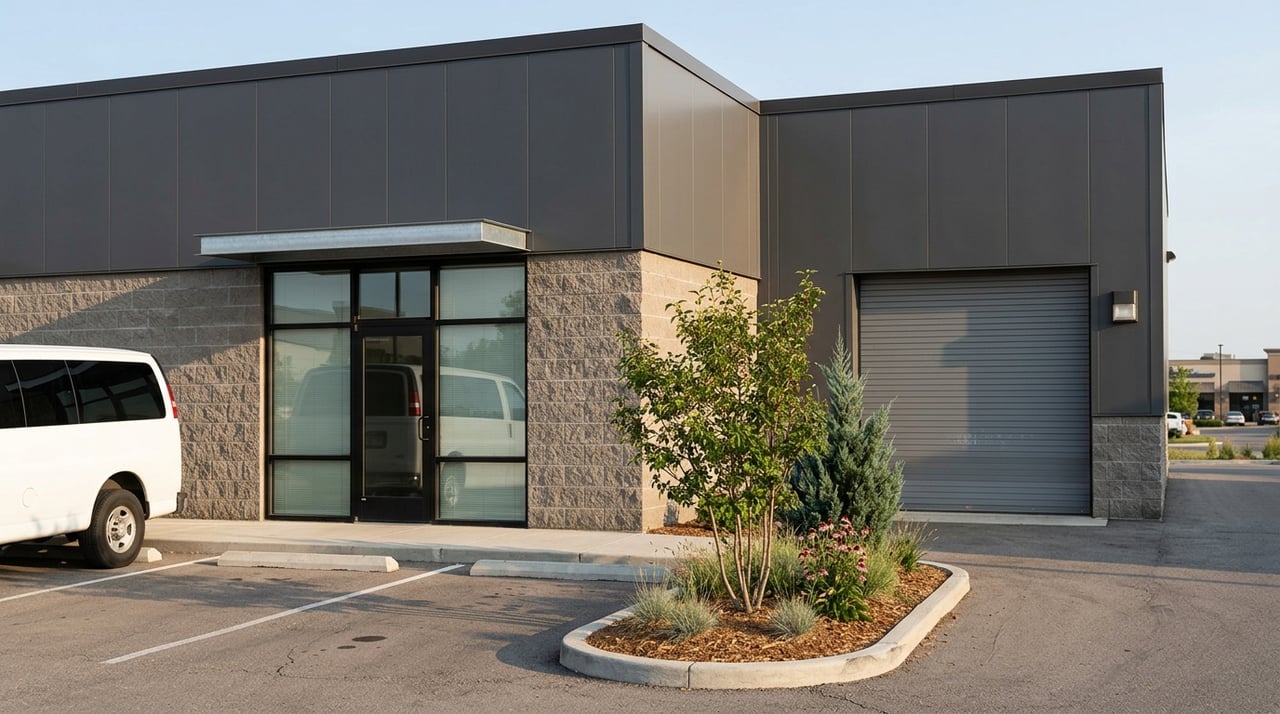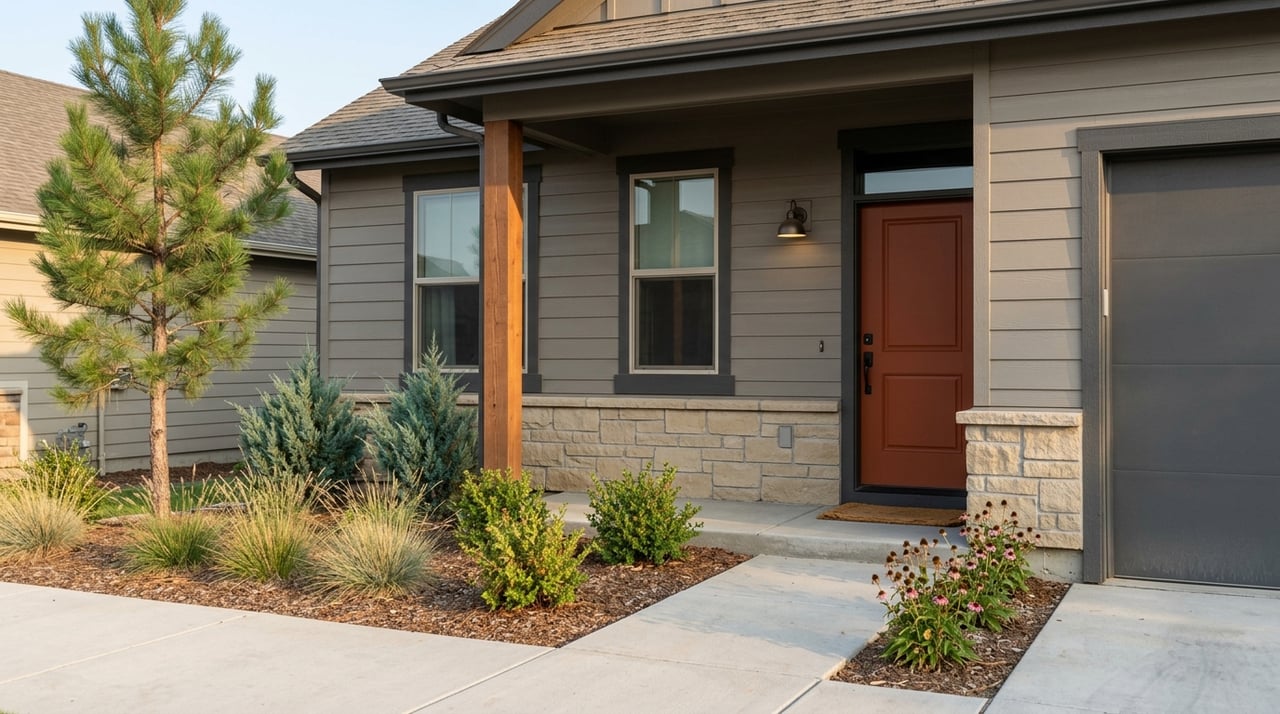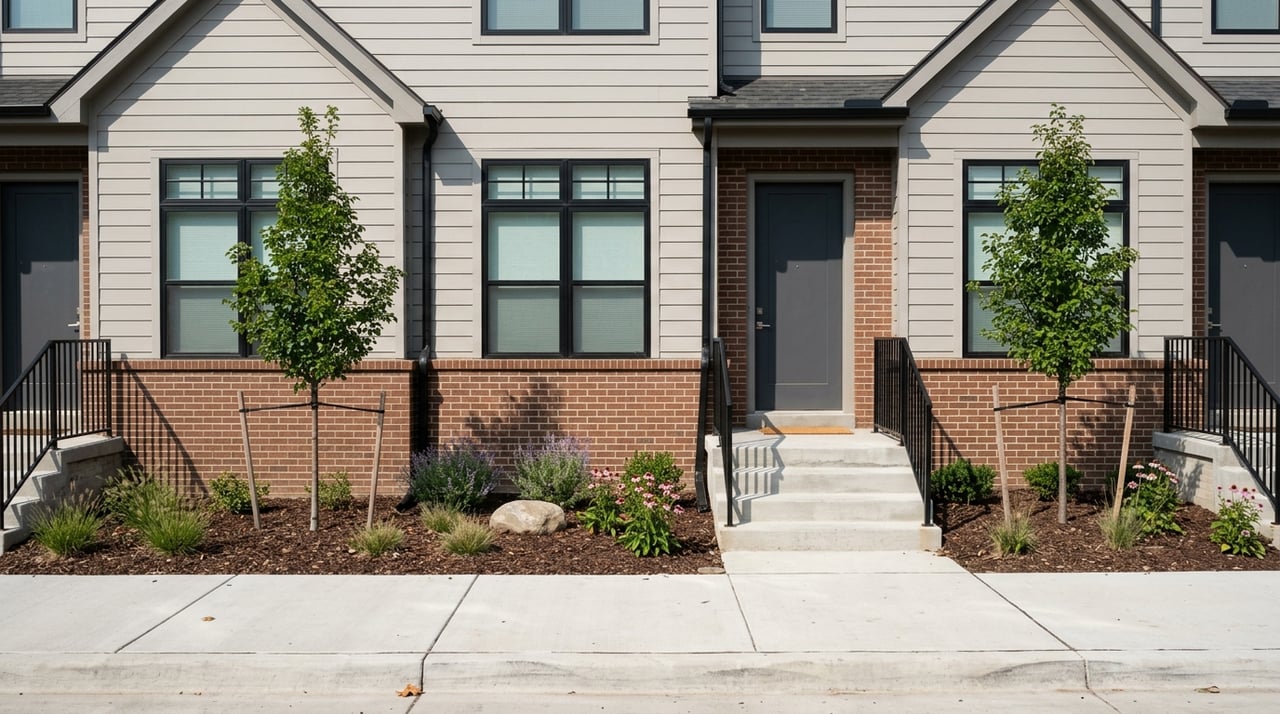
If you are watching Loveland right now, the biggest story is not just that new projects are coming. It is how they are coming together. Growth is being shaped by city planning, road work, utility upgrades, downtown reinvestment, and a more structured annexation process, all at the same time. If you want to understand where Loveland may be headed next, this is the pattern to watch. Let’s dive in.
Loveland Growth Is More Coordinated
Loveland’s current development activity points to a city trying to guide growth more intentionally than in earlier cycles. The Create Loveland Comprehensive Plan remains the main policy document, and it works alongside corridor plans, the downtown parking plan, Connect Loveland, and the city’s Current Development Activity system.
That matters if you are buying, selling, or investing. It means new construction is not happening in a vacuum. Land use, transportation, utilities, and annexation are being planned together, which can affect access, traffic, future property value, and the timing of nearby projects.
Loveland has also added more structure around future expansion. The city adopted a new Three-Mile Plan on January 20, 2026, and tightened metro district oversight in 2024 and 2025, signaling a more formal approach to annexation and infrastructure financing.
Housing Growth Is Still Expected
Even with a slower recent pace, Loveland is still planning for more housing. The city’s 2025 data and projections report says 2024 housing permits slowed due to high construction and material costs, economic uncertainty, high mortgage rates, and limited developer financing.
At the same time, the city still forecasts housing stock growth to 39,331 units by 2029, which reflects a 3.7% compound annual growth rate. So while the pace may not be smooth year to year, the longer-term direction still points toward added supply.
For you as a consumer, that creates a mixed picture. Slower permitting can limit near-term inventory, but a larger pipeline can also create future options in certain areas and property types.
Edge Growth Is Leading The Next Wave
A major trend to watch is where growth is happening. In Loveland, some of the clearest activity is on the city’s edges and along major corridors, rather than only in older central areas.
One of the biggest examples is Avenue South at Centerra South. This 149-acre planned unit development includes five site development plans under review, combining roads, trails, parking, infrastructure, office space, retail, restaurants, apartments, and outdoor gathering areas.
The numbers help show the scale. Current plans include a 111,528-square-foot office building for Hensel Phelps, 113,190 square feet of restaurants and retail including a grocery store, and 417 apartments with a community center. The project also includes trails, open space, and a small park.
This is important because it reflects a broader Loveland pattern. New housing is increasingly being paired with employment space, services, and public amenities instead of arriving only as stand-alone subdivision growth.
Why Mixed-Use Matters
For buyers, mixed-use development can change what daily life looks like. Access to shops, services, trails, and work spaces can shape convenience and traffic patterns, and it can influence how an area feels over time.
For sellers and property owners nearby, this kind of development can also shift demand. As new infrastructure and commercial activity come in, certain locations may become more visible or more useful than they were before.
For investors, mixed-use growth often deserves a closer look because value is tied not just to rooftops, but to the broader ecosystem around them. That includes access, employment, retail support, and long-term corridor upgrades.
Not Every Project Moves Straight Through
Another trend worth watching is process risk. Loveland’s development activity shows that edge-growth proposals do not automatically move from concept to approval.
A useful example is Farro First Addition, a proposed 61-acre annexation and zoning case in northern Loveland. The proposal would have allowed single-family detached homes, duplexes, and townhomes at about 4.1 units per acre, which the city said fit its medium-density residential range of 4 to 10 units per acre.
Even so, the application was later marked withdrawn after a Planning Commission recommendation of denial. For anyone trying to read the market, that is a reminder that proposed development is not the same as approved development, and approved development is not the same as completed inventory.
What This Means For Buyers And Owners
If you are buying near a future-growth area, it helps to ask a few practical questions:
- Is the project active, under review, approved, or withdrawn?
- Are roads and utilities already funded, or still being discussed?
- Is annexation required?
- Could the plan change in density, layout, or timing?
That kind of due diligence can help you avoid assumptions based on early headlines or conceptual plans.
Downtown Is Changing In A Different Way
While edge growth is getting attention, downtown Loveland is still evolving. The difference is that downtown change is being driven more by reinvestment, infrastructure, and public-space upgrades than by large greenfield development.
The 4th Street Revitalization project is a major example. Construction began in February 2025 across five blocks from Garfield to Washington, and the work includes utility replacement, ADA sidewalks, parallel parking, lighting, public art, landscaping, and pedestrian-oriented streetscape improvements.
By March 11, 2026, the city said three of the five blocks were complete. The project is expected to finish by late 2026, around the holiday season, weather permitting.
The scale of the investment is significant. Funding totals $24.5 million, using utility enterprise funds and certificates of participation, with no General Fund dollars allocated.
Public Space Is Part Of The Story
Downtown improvements are not limited to streets. Thompson Park, the only publicly owned park in downtown Loveland, entered early redevelopment planning in March 2026, with design work running through spring and summer 2026 and construction expected to begin in late 2026.
This matters because downtown value is shaped by more than building count. Streets, parks, utilities, lighting, parking, and public gathering space all affect how functional and attractive an area becomes for residents, visitors, and businesses.
The city also notes that downtown mixed-use projects such as The Foundry, Patina Flats, Gallery Flats, and Lincoln Place Apartments have already added more than 420 residential units plus retail, restaurant, and commercial space. That creates a stronger base for continued downtown activity.
Parking Will Stay Part Of The Conversation
As downtown grows, parking management remains an important issue. Loveland’s downtown parking plan, adopted in October 2024, documented 2,342 public parking spaces in the study area and projected that demand could exceed supply by 2028.
That does not mean downtown is running out of access today. It does mean future redevelopment conversations are likely to include parking strategy, especially as more residents, visitors, and businesses use the area.
If you own property downtown or are considering a purchase there, parking is not a side detail. It is part of how the district functions and how future projects may be designed.
Roads And Utilities Are Setting The Next Phase
One of the clearest development trends in Loveland is that infrastructure is moving alongside growth. The city’s transportation master plan, Connect Loveland, ties future investment to regional population growth, expanding employment, and new retail and health care activity.
On the road side, US 34 widening is planned in phases for 2026 and 2027 between Boyd Lake Avenue and I-25. The project adds lanes, sidewalks, bus-lane accommodations, and bike and pedestrian connections.
That follows other recent corridor work, including the US 34 and Taft Avenue intersection project, which completed major median and capacity improvements in 2025. Together, these projects show that Loveland is actively rebuilding key east-west routes to handle future demand.
Utility Capacity Is Expanding Too
Utilities are just as important as roads when you are evaluating future development. Loveland plans to install a new 36-inch wastewater interceptor on First Street to support growth on the city’s east side.
The city is also moving forward with a $46 million Water Reclamation Facility upgrade from 2026 through 2028. The stated goal is to increase capacity and strengthen nutrient removal.
For consumers, these projects are a signal. The city appears to be preparing for continued development rather than assuming growth will pause for long.
Corridor Planning Will Influence Where Opportunity Lands
If you want to track where change may show up next, corridor plans deserve attention. Loveland’s Highway 402 Corridor Plan identifies the area as a place facing safety, mobility, congestion, and development pressure concerns, and it is meant to guide land use, redevelopment, transportation, utilities, and quality-of-life investments over the next 10 to 20 years.
The US 287 Corridor Plan also points to future growth, including redevelopment around 29th Street and the Big Thompson River into a pedestrian-oriented mixed-use district. That kind of planning does not guarantee immediate construction, but it does help signal where the city sees longer-term transformation potential.
For buyers and investors, corridor planning can be one of the most useful clues in the market. It helps explain not just where growth is happening now, but where public investment and redevelopment interest may build over time.
What To Watch If You Are Buying Or Selling
If you are trying to make a smart move in Loveland, here are the practical development signals worth following:
- Current development status for nearby projects
- Road construction timelines along major corridors
- Utility expansion that supports future housing or commercial growth
- Downtown public-space upgrades that may improve function and foot traffic
- Annexation and planning decisions that can reshape edge growth
- Mixed-use development that changes convenience and demand patterns
The key is not to assume every project affects value the same way. Some changes improve access and long-term appeal. Others may create short-term construction friction before the benefits show up.
The Bigger Picture For Loveland
The main development trend in Loveland is not just more construction. It is a shift toward coordinated growth. Housing, roads, utilities, downtown improvements, public space, and corridor planning are all moving together in a more deliberate way.
That creates both opportunity and complexity. If you are buying a home, selling property, or evaluating land or investment potential, the smartest decisions usually come from understanding not just what exists today, but what the city is actively building toward.
If you want help reading development patterns, weighing corridor risk, or understanding how growth may affect property value in Loveland or across Northern Colorado, Michael Jensen brings a practical, investor-aware perspective to the conversation.
FAQs
What new construction trend is most important in Loveland right now?
- The biggest trend is coordinated growth, with new development tied closely to city planning, corridor improvements, utility upgrades, downtown reinvestment, and a more formal annexation process.
Where is most new development happening in Loveland?
- Much of the clearest new growth is happening on the city’s edges and along major corridors, especially around Avenue South at Centerra South and other annexation-sensitive areas.
Is downtown Loveland still seeing development activity?
- Yes. Downtown is still changing, but much of the current activity is focused on streetscape upgrades, utility replacement, parking planning, public-space improvements, and mixed-use reinvestment rather than large greenfield projects.
How big is the Avenue South project in Loveland?
- Avenue South at Centerra South is a 149-acre planned unit development with office, retail, restaurant, apartment, trail, open-space, and public gathering components under review.
Are Loveland roads and utilities keeping up with growth?
- The city is widening parts of US 34, improving key intersections, adding a new wastewater interceptor on First Street, and upgrading the Water Reclamation Facility, which shows active planning for continued growth.
Can proposed housing projects in Loveland be delayed or withdrawn?
- Yes. The Farro First Addition proposal is one example showing that projects can face public-hearing challenges, redesign, delay, or withdrawal rather than moving automatically to approval.
Why do corridor plans matter for Loveland real estate decisions?
- Corridor plans help show where the city expects future land-use change, transportation investment, redevelopment pressure, and infrastructure upgrades, which can all affect long-term property value and opportunity.
What should a buyer or seller track near a Loveland development area?
- Focus on project status, road timing, utility capacity, annexation decisions, parking plans, and whether nearby growth is mixed-use or purely residential, since those factors can shape both short-term disruption and long-term value.