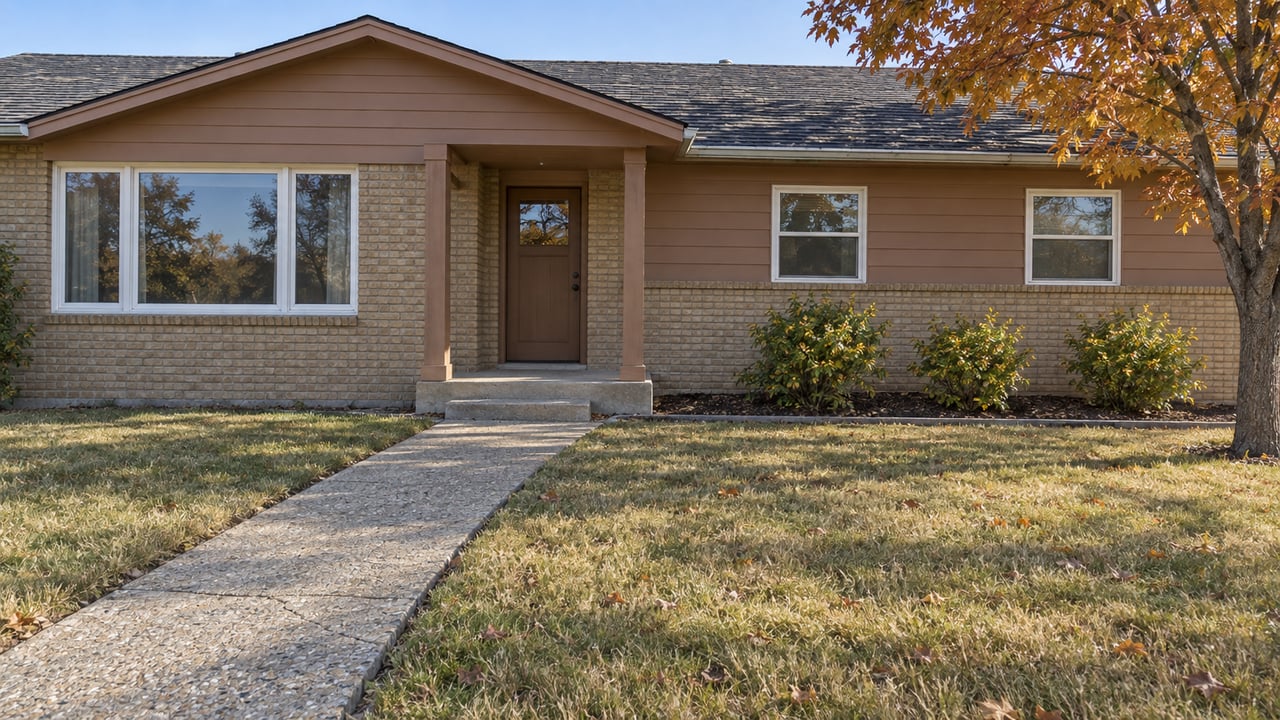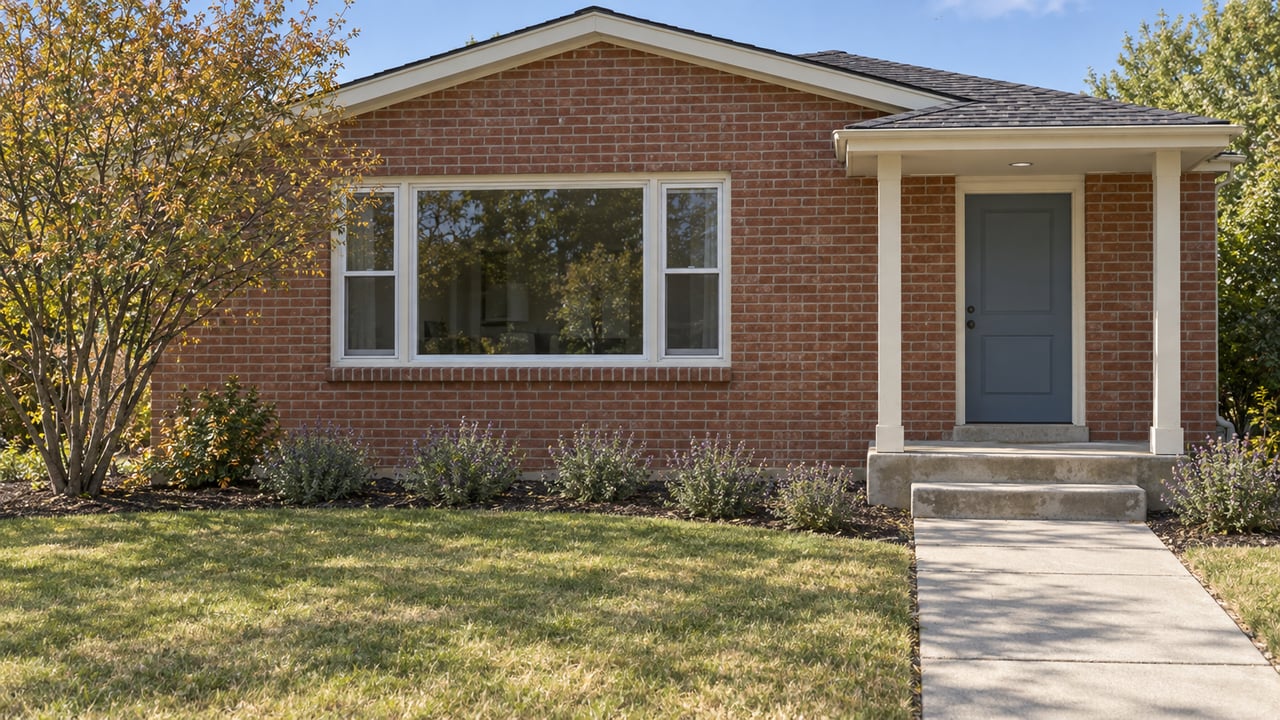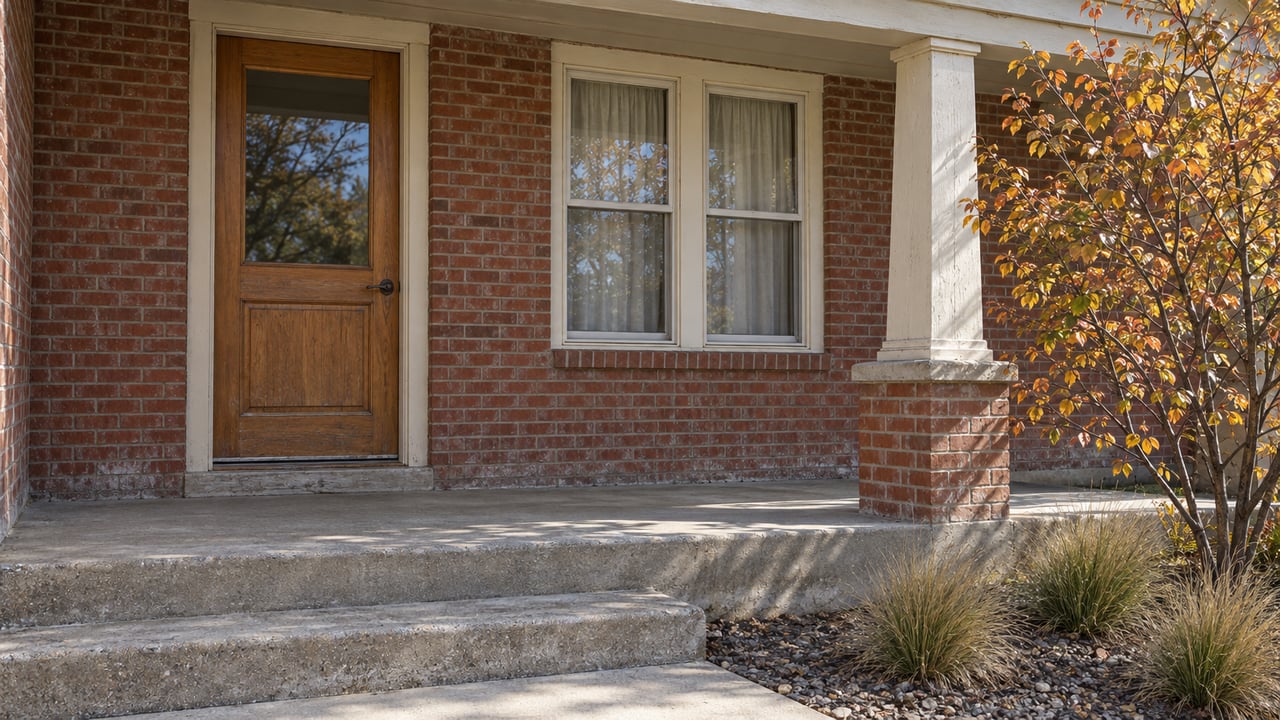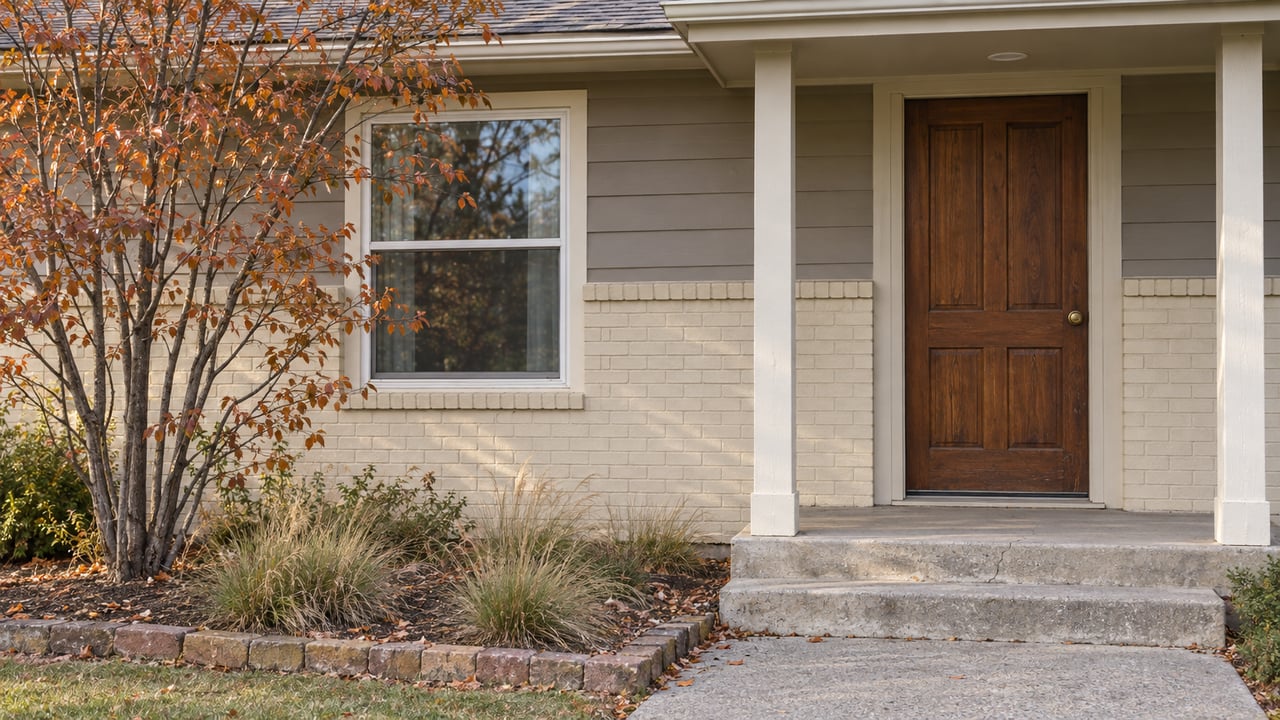
If you are thinking about selling your Loveland home, the market is giving you opportunity, but not much room for guesswork. Buyers are active, yet they are still comparing condition, pricing, and terms carefully. That means your strategy matters from day one. In this guide, you will learn how to approach timing, pricing, preparation, disclosures, and negotiations in today’s Loveland market. Let’s dive in.
Loveland market conditions today
Loveland is not moving like an all-out frenzy market, but it is not soft either. Recent local and citywide snapshots point to an active market where buyers are still writing offers, while sellers need to be realistic about price and presentation.
The Loveland-Berthoud Association of REALTORS® reported that in March 2026, single-family inventory was 231 homes with 2.4 months of supply. The same update showed 99.3% of list price received, 66 days on market, and a median sales price of $515,000.
Other market trackers show slightly different numbers because they measure different property types and timeframes. Realtor.com’s April 2026 overview described Loveland as a balanced market with 729 homes for sale, a median sold price of $502,450, and a 39-day median days-on-market figure. Redfin’s March 2026 snapshot called Loveland somewhat competitive, with about 2 offers on average, 51 days to sell, and a median sale price of $497,950.
The takeaway is simple. You are selling into a market with real demand, but buyers still have enough choice to be selective. That is why a strong launch often matters more than assuming limited inventory will do the work for you.
What this means for sellers
In practical terms, Loveland sellers should expect interest, but not automatic over-asking bidding wars. Entry-level and mid-range homes may still see stronger competition because inventory remains limited in those price bands.
At the same time, longer marketing times in some data sets show that homes can sit when price, condition, or presentation miss the mark. If you want the best shot at a clean sale, your pricing and prep need to work together.
Timing your Loveland listing
Many sellers ask if they should wait for the perfect week to list. National 2026 research pointed to April 12 through 18 as the strongest listing window, with more views per listing, faster sales, fewer price reductions, and less seller competition than average.
That is useful context, but in Loveland, readiness matters more than chasing an ideal calendar date. In a market with measurable inventory and marketing times that can stretch beyond a month, a rushed listing can cost you more than waiting until the home is truly ready.
List when the house is ready
A clean, well-prepared launch usually beats an early launch with unfinished projects, cluttered rooms, or weak photos. Buyers form opinions quickly, and your first week on the market often shapes the rest of the listing timeline.
If your home needs touch-ups, a few repairs, or better staging, it is often worth taking the extra time. The goal is not to delay for the sake of delay. The goal is to hit the market in a way that supports your asking price.
Pricing for today’s market
Pricing is where strategy becomes visible. In Loveland, current data support pricing from recent local comparable sales, not from an aspirational number you hope the market will validate.
That matters because sellers are receiving close to list price on average, but not far above it. With the local association reporting 99.3% of list price received, and other data showing homes can take roughly 39 to 51 days to sell depending on the source, overpricing can quickly turn into a slower sale and a later price reduction.
Why realistic pricing matters
A strong asking price should invite attention, not test the market. If buyers think a home is overpriced, they may wait, compare it to newer listings, or submit lower offers later.
National seller survey data also showed an important gap in expectations. While 83% of prospective sellers expected to receive asking price or more, 39% also expected to make concessions. That is a good reminder that the winning strategy is not just about price. It is also about the full package of condition, terms, and closing certainty.
Build your pricing plan around tradeoffs
Before listing, it helps to know where you are flexible. You may decide to price more sharply to attract faster interest, or price closer to the top of the range if the home shows especially well and has fewer competing properties nearby.
Either way, your list price should match your actual strategy. If your home needs repairs, has dated finishes, or will likely face inspection questions, that should be reflected upfront rather than discovered through negotiations later.
Prepare your home before listing
In today’s Loveland market, preparation is not about perfection. It is about removing avoidable objections and helping buyers feel confident when they walk in or scroll through photos online.
Use selective staging
Staging can be a practical tool, not a luxury extra. According to NAR consumer guidance, 83% of buyers’ agents said staging made it easier for buyers to visualize a property as their future home. More than a quarter of agents also said staging increased the dollar value offered by 1% to 10%, and about half of seller’s agents said it reduced time on market.
You do not need to overhaul everything. Often the most effective steps are simple:
- Declutter surfaces and storage areas
- Remove bulky or excess furniture
- Use neutral paint where needed
- Make the entry feel open and inviting
- Improve lighting and basic cleanliness
In Loveland, this matters most when your home is competing on photos, first impressions, and perceived value rather than on a rare low price.
Consider a pre-listing inspection
A pre-listing inspection can give you useful information before buyers bring their own inspector through. NAR notes that sellers may choose this route to get information upfront, gain more control over repairs, and prepare for buyer conversations.
This can be especially helpful if your home has older systems, visible wear, or a history of maintenance issues. Roof, plumbing, electrical, HVAC, drainage, and structural items often shape negotiations, so finding out about them early lets you decide what to fix, what to disclose, and what to price around.
When an as-is sale can work
Selling as-is can make sense in the right situation, especially if convenience is more important to you than maximizing every last dollar. But as-is does not mean no preparation, and it does not remove disclosure obligations in Colorado.
In most cases, an as-is strategy works best as a pricing and convenience decision. If the home is basically sound and priced accordingly, limited prep may be enough. If there are major unknowns, a pre-listing inspection often creates a cleaner path.
Plan for negotiations before offers arrive
In Colorado, brokers must present all offers to the seller client in a timely manner. The state also notes that inspection contingencies can allow a buyer to request repairs or be released from the contract without penalty if certain defects are found.
That means your negotiation plan should start before the home goes live. You do not want to make decisions under pressure when an inspection objection lands or when a buyer asks for credits.
Decide your position in advance
Before listing, think through the items below:
- What repairs are you willing to make?
- What issues would you rather solve with a credit?
- What requests will you likely decline?
- What closing timeline works for you?
- How important is price versus certainty?
In a market like Loveland’s, the best offer is not always the highest number. A slightly lower offer with cleaner terms, fewer contingencies, or a stronger closing path may deliver a better overall result.
Get your Colorado disclosures ready
Colorado sellers should take disclosures seriously and start early. The current residential Seller’s Property Disclosure form, approved for use beginning January 1, 2026, must be completed to the seller’s current actual knowledge.
The form also makes clear that if you discover new adverse material facts later, you must disclose them. These disclosures are not warranties, and they do not replace a buyer’s inspection, but they are still a key part of a well-managed sale.
What Loveland sellers should gather
Colorado guidance specifically flags items such as water intrusion, flooding, drainage, HOA matters, metropolitan district status, and written reports in your possession. If your home has had repairs, updates, claims, inspections, or contractor work, gather those records before listing.
A practical file might include:
- Permits
- Repair receipts
- Inspection reports
- Warranties
- HOA documents, if applicable
- Environmental documents, if applicable
- Notes on drainage, moisture, or flooding history
This kind of preparation reduces last-minute surprises and helps you answer buyer questions with more confidence.
Radon and lead-based paint rules
Colorado’s SB23-206 added radon disclosure requirements for residential transactions. These include a warning statement, known radon concentration or history information, and the most recent state radon brochure, with related disclosures now built into the residential contract and or seller disclosure process.
If your home had a building permit issued before January 1, 1978, federal lead-based paint disclosure rules also apply. Sellers must disclose known lead-based paint hazards and provide available records or reports.
A practical Loveland selling strategy
If you are selling in Loveland right now, the strongest plan is usually straightforward. Price from current comparable sales, prepare the home for photos and showings, gather your disclosures early, and decide your negotiation boundaries before buyers start weighing options.
This is the kind of market where details add up. A clean launch, realistic expectations, and calm deal management can help you protect value and avoid unnecessary friction.
If you want a thoughtful plan for your Loveland sale, Michael Jensen can help you evaluate pricing, preparation, risk, and negotiation strategy with clear, low-pressure guidance.
FAQs
How long does it take to sell a home in Loveland right now?
- Current market snapshots show different ranges depending on the source, with median days on market around 39 to 66 days and one March 2026 snapshot at about 51 days.
Should you stage a Loveland home before selling?
- Staging can help buyers picture the home more easily, and consumer guidance cited by NAR says it can reduce time on market and sometimes improve the dollar value offered.
Is overpricing a Loveland home a good strategy in today’s market?
- Usually no. Loveland sellers are receiving close to list price on average, but buyers still have enough choices that an inflated asking price can lead to a slower sale and later price cuts.
What disclosures do Colorado home sellers need for a Loveland sale?
- Colorado sellers should complete the current residential Seller’s Property Disclosure form to their current actual knowledge and be ready to disclose items like water intrusion, drainage issues, HOA matters, metropolitan district status, and known adverse material facts.
Can you sell a Loveland home as-is?
- Yes, but as-is does not remove your disclosure duties in Colorado, and buyers may still inspect the property and raise concerns during the contract process.
Should you get a pre-listing inspection for a Loveland home sale?
- It can be a smart move if the home has older systems, visible wear, or a history of maintenance issues because it gives you more control over repairs, credits, and pricing decisions before buyers react.