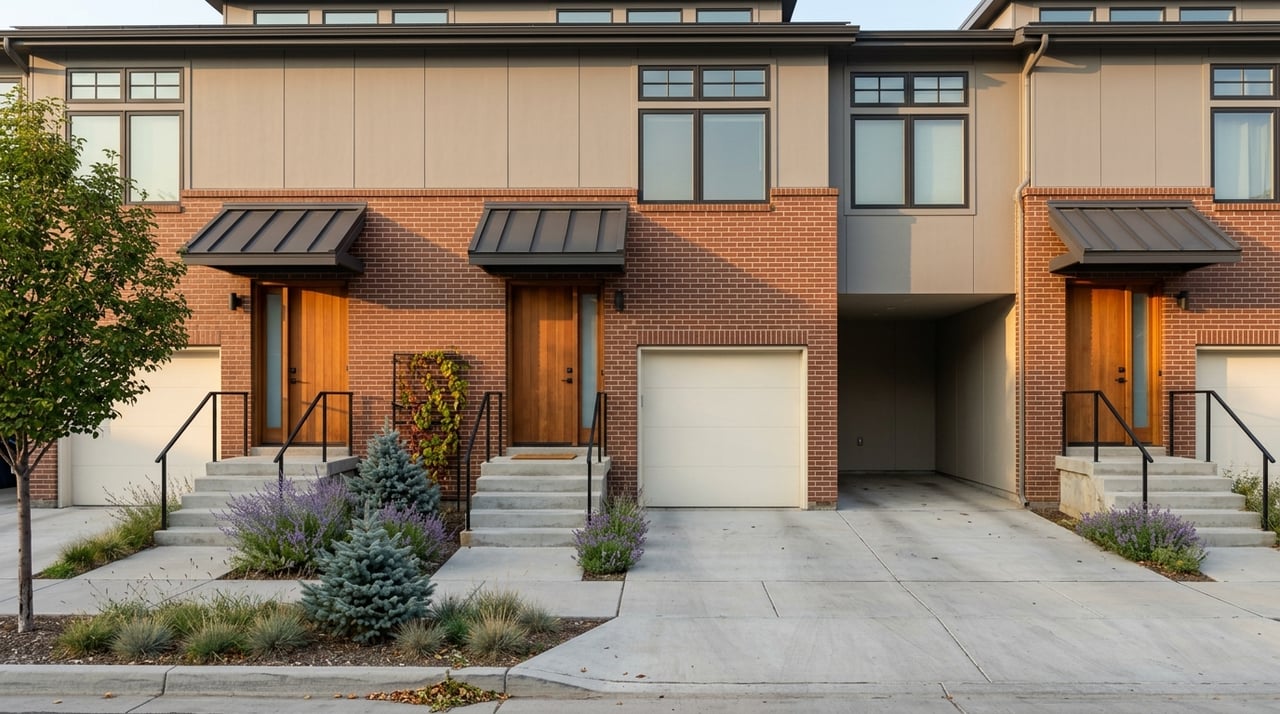
Wondering whether a condo or townhome is the right fit in Fort Collins? You are not alone. Many buyers like the idea of lower-maintenance living, but they also want to avoid surprises around HOA dues, insurance, parking, and future costs. This guide will help you compare attached-home options in Fort Collins with a practical, long-term view. Let’s dive in.
Why the Condo vs. Townhome Label Is Not Enough
In Fort Collins, two attached homes can look almost identical from the street and still come with very different ownership rules. In Colorado, a condominium is a common-interest community where part of the real estate is owned separately and the rest is owned in common. A declaration may also define limited common elements such as balconies, patios, porches, or certain parking areas.
That matters because the real question is not just what the property is called. The bigger issue is how the community documents divide maintenance, insurance, and ownership boundaries. If you skip that step, it is easy to misread what you are actually buying.
Colorado DORA notes that, unless the declaration says otherwise, the association maintains common elements and the owner maintains the unit. DORA also notes that control of unit exteriors is common in condos and townhomes. In plain terms, you should not assume one community works like the next.
Focus on the Declaration First
If you are buying a condo or townhome in Fort Collins, the declaration and CC&Rs deserve as much attention as the kitchen or floor plan. In Colorado, the HOA relationship is contractual, and those documents set the rules for ownership, common elements, maintenance duties, assessments, and restrictions.
You should review the declaration, plat map, budget, and rules before or during contract. The declaration should explain how assessments are allocated, what parts of the property are common elements, and what restrictions apply. It should also identify items like recreational facilities and whether they carry extra fees.
This is one area where a careful review can protect both your monthly budget and your resale options. A lower list price can lose its appeal quickly if the documents reveal broad owner responsibilities or limited flexibility later.
HOA Costs and Tradeoffs to Compare
Lower-maintenance living is often the reason buyers start looking at condos and townhomes. That trade can make a lot of sense, especially if you want less exterior upkeep or more lock-and-leave convenience. Still, you need to know what you are paying for and what risks may come with it.
Regular HOA dues commonly cover things like maintenance, landscaping, insurance, legal fees, registration fees, and other operating costs. Those dues are not the whole story, though. Special assessments are separate charges that may be used for major repairs, reserve funding, unexpected expenses, or new common-area work.
Colorado DORA also says there is no regulatory oversight of HOAs, which makes buyer due diligence especially important. You should look at the HOA’s financial health, reserve planning, management structure, and any signs of deferred maintenance. If a community looks worn and reserves look thin, that can point to higher future costs.
What to Review Before You Commit
- HOA budget
- Reserve planning
- Monthly dues
- Rules and restrictions
- Insurance details
- Planned repairs
- Any history of special assessments
- Visible deferred maintenance in common areas or exteriors
Insurance Questions Matter More in Attached Homes
Insurance is easy to overlook until late in the process. In attached-home communities, it should move much higher on your checklist. Colorado requires associations to carry property insurance on common elements and commercial general liability coverage.
That does not mean the HOA insures everything you care about. You should verify what the association insures versus what you must insure yourself. DORA specifically highlights attached-unit communities as a place where this review matters even more.
A quick conversation is not enough here. You want the actual insurance details so you can understand where the HOA coverage stops and your responsibility begins.
Parking, Storage, and Exterior Control
Parking and storage can shape your day-to-day experience just as much as the unit itself. In Colorado, declarations can assign parking spaces, garages, and carports as limited common elements or other recorded rights. That means you should confirm whether parking is deeded, assigned, shared, or guest-only.
The same goes for storage. A listing photo may show a garage bay, patio area, or storage closet, but the governing documents tell you whether that space is exclusively yours and what rules apply.
Exterior changes also deserve a close look. Since control of unit exteriors is often part of condo and townhome living, you should understand any limits on things like doors, paint, patio use, or exterior fixtures before you buy.
Rental Rules Can Affect Future Flexibility
Some buyers plan to live in the property for years. Others want the option to rent it later if life changes. If that flexibility matters to you, check the rental rules early.
Colorado DORA notes that HOA documents can limit rentals, sales, common-area use, and some unit-level activities. Those restrictions can affect your exit strategy and may also influence future resale demand. A community with stricter limits may still be a good fit, but you should know that upfront.
This is where an investor-minded review helps even if you are buying a primary home. Your future options are part of the property’s long-term value.
Fort Collins Location Still Shapes the Decision
Once you understand the HOA and ownership setup, location becomes the next major filter. In Fort Collins, attached-home living often appeals to buyers who want convenience, easier upkeep, and access to daily amenities without depending on a large yard.
Fort Collins supports multiple transportation options, including MAX Bus Rapid Transit, numerous bus routes, CSU and FLEX service, and about 200 miles of on-street bike lanes and off-street trails. Transfort is currently fare-free. The city also has three transit centers: Downtown, CSU, and South.
Bus stops are generally located every quarter to half mile along routes, which can help if you want more car-light convenience. Buyers often find that homes near Downtown, CSU, or the Mason/MAX corridor line up better with transit-oriented routines. South-side locations may connect more naturally with the South Transit Center and regional route access.
Fort Collins also offers a strong network of outdoor access. The city’s Natural Areas system manages more than 40 sites and 32,000 acres, and Fort Collins maintains a trails system with current maps and closure information. If trails, biking, or natural-area access matter to you, compare each listing to the actual network rather than making assumptions based on the street name or general area.
How Location Affects Resale
Resale value in attached housing usually comes down to a few practical factors working together. Good upkeep, sensible dues, and a reserve plan that can support major exterior or common-element work tend to tell a stronger story. DORA warns that visible deferred maintenance can signal a future special assessment, which is something future buyers notice too.
Rules also matter. Rental restrictions, parking limits, storage constraints, and amenity rules can narrow the future buyer pool. On the other hand, a community with clear rules, useful amenities, and solid access to transit or trails may appeal to a wider range of buyers.
In Fort Collins, that means you are not just buying a floor plan. You are buying a package of location, documents, costs, and future flexibility.
A Smart Fort Collins Buyer Checklist
Before you make an offer on a Fort Collins condo or townhome, make sure you can clearly answer these questions:
- What does the declaration say you own?
- What areas are common elements or limited common elements?
- Who handles exterior maintenance?
- What do monthly dues cover?
- Are reserves healthy?
- Are any repairs or assessments planned?
- What insurance does the HOA carry?
- What insurance will you need personally?
- Is parking deeded, assigned, or shared?
- Are there storage rights?
- Are there rental restrictions?
- Are any amenities subject to extra fees?
- How does the location connect to transit, trails, Downtown, CSU, or regional routes?
If you can answer those questions clearly, you are already making a stronger decision than many buyers.
Final Thoughts on Attached-Home Living
Condo and townhome living in Fort Collins can be a great fit if you want lower-maintenance ownership, convenient access around town, and a property that supports your lifestyle without the workload of a larger lot. The key is to look past the label and study how the community actually works.
In my experience, the best outcomes come from matching the property type to your daily routine, your tolerance for HOA structure, and your long-term plans. If you want calm, practical guidance on how to compare attached-home options in Fort Collins, reach out to Michael Jensen.
FAQs
What should you review before buying a condo or townhome in Fort Collins?
- You should review the declaration, CC&Rs, plat map, HOA budget, rules, insurance details, and any information about planned repairs or assessments.
How do HOA dues work for Fort Collins condos and townhomes?
- HOA dues commonly cover maintenance, landscaping, insurance, legal fees, registration fees, and other operating costs, but special assessments can be charged separately for major or unexpected expenses.
Why does parking matter when buying a Fort Collins attached home?
- Parking spaces, garages, and carports may be deeded, assigned, shared, or treated as limited common elements, so you should confirm your actual rights before you buy.
Can HOA rules affect renting out a Fort Collins condo or townhome later?
- Yes, HOA documents can limit rentals and other property uses, so buyers who may want to rent later should check those rules early.
How does location affect condo and townhome living in Fort Collins?
- Location can affect transit access, biking convenience, trail access, and regional commuting options, especially near Downtown, CSU, the Mason/MAX corridor, and the South Transit Center.
Why is HOA insurance important in a Fort Collins condo or townhome purchase?
- The HOA must carry insurance on common elements and liability coverage, but you still need to confirm what the association covers versus what you must insure yourself.