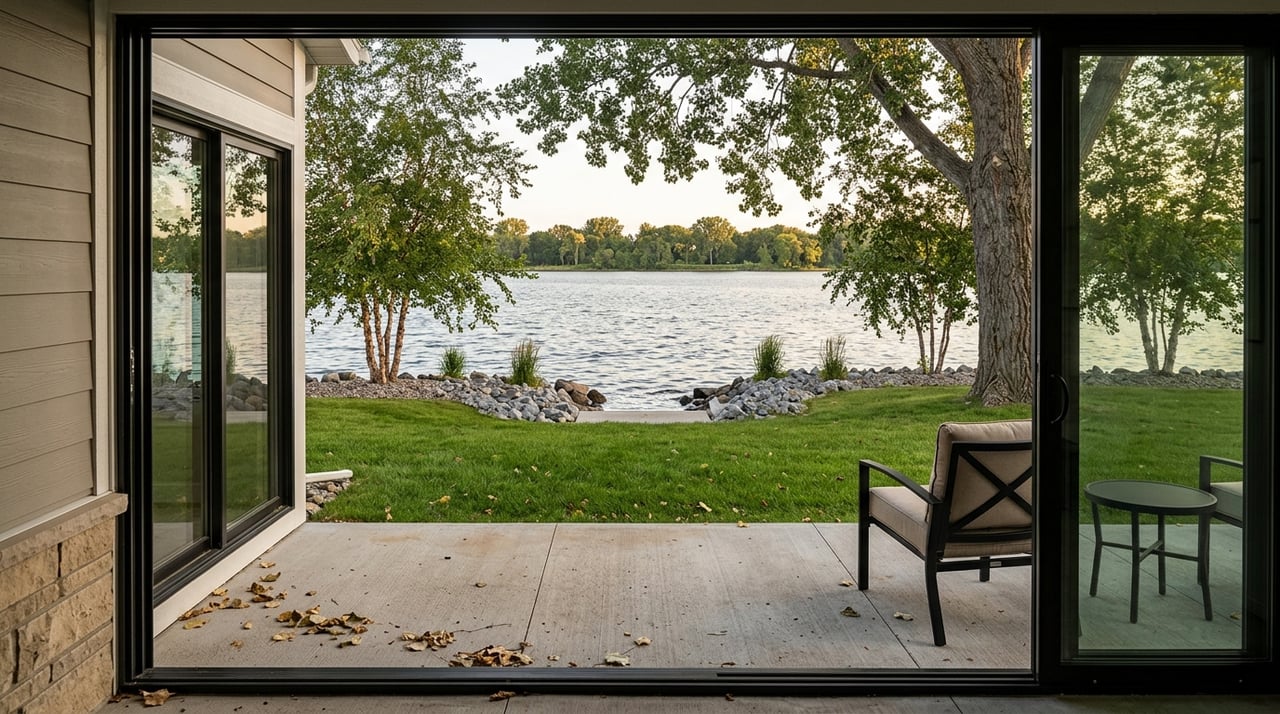
If you picture lakefront living in Loveland as a private-dock lifestyle with guaranteed boating outside your back door, it helps to pause and look closer. In Loveland, "lake living" can mean very different things depending on the water body, the property, and the rules that apply there. If you want the right mix of views, access, recreation, and long-term value, this guide will help you sort through the tradeoffs before you buy. Let’s dive in.
Loveland Lake Living Is Not One Market
One of the biggest mistakes buyers make is treating all Loveland lake properties the same. They are not.
Loveland’s better-known water bodies include Lake Loveland, Boyd Lake, Carter Lake, Pinewood Reservoir, Lon Hagler, Lone Tree, and Boedecker. The City of Loveland makes clear that these areas are managed by different agencies, with Boyd Lake State Park managed by the state and Boedecker managed as a state wildlife area.
That matters because ownership, access, rules, and fees can change from one lake to the next. In practical terms, you are often choosing between lake views, lake adjacency, limited-use access, or public recreation nearby, not a traditional waterfront setup.
Lake Loveland Has Unique Rules
Lake Loveland is one of the city’s most recognizable landmarks, but it does not operate like a typical public-use lake. It was built in the early 1890s, first filled in 1895, and it is used as an irrigation reservoir.
The City of Loveland says recreation rights are subordinate to irrigation rights, and the city does not control water levels. That means the lake experience can change based on water operations, not just the season.
Access is also more limited than many buyers expect. According to the city, boating and watercraft are prohibited from North Lake Park, except for surface rights exclusively granted to Lake Loveland residents and members of the associated HOA.
What that means for buyers
Before you fall in love with a listing near Lake Loveland, find out exactly what comes with the property. A home may offer a great view without offering any boating or direct-use rights.
This is where details matter. You will want to confirm whether a home includes deeded shore access, surface rights, HOA-related privileges, or simply proximity to the water.
Boyd Lake Offers Stronger Public Recreation
If your goal is active water recreation, Boyd Lake is often the clearest fit in Loveland’s immediate area. Colorado Parks and Wildlife describes Boyd Lake State Park as a 2,082-acre park with 1,700 surface acres of water at capacity.
The park is known for boating, camping, water skiing, swimming, fishing, paddlesports, picnicking, bicycling, walking, hunting, and wildlife viewing. It also includes a swim beach and 140 paved campsites.
That said, public recreation does not mean guaranteed access to every activity at all times. As of June 28, 2026, CPW listed boating as closed for the rest of 2026 due to low water levels, while hand-launched vessels and swimming remained allowed and the marina was closed for the season.
The practical takeaway
Boyd Lake is a strong recreation asset, but it is still condition-dependent. If boating is a major part of your lifestyle, it is smart to treat lake recreation as something that can vary with water levels, operations, and seasonal conditions.
Boedecker Is Different From A Residential Lake Market
Boedecker Reservoir is another nearby water destination, but it serves a different role. Boedecker Reservoir State Wildlife Area is 308 acres and is managed by Colorado Parks and Wildlife as a wildlife-area recreation setting.
Activities there include hunting, fishing, camping, and nature viewing, and there is a boat ramp. Public access rules also require many visitors age 16 and older to carry a valid hunting or fishing license or a state wildlife area pass.
For buyers, the point is simple. Boedecker may be a valuable nearby outdoor amenity, but it does not function like a conventional residential waterfront market.
Why Buyers Still Love Lake-Oriented Living Here
Even with those limits, lake-oriented living in Loveland still has strong appeal. In many cases, the draw is not only the water itself, but the broader outdoor setting around it.
North Lake Park, just off the north shore of Lake Loveland, includes shelters, an amphitheater, a seasonal miniature train, playgrounds, fields, courts, shore-only fishing, and major city events like Sculpture in the Park, Art in the Park, and the Loveland Fishing Derby. The city also holds its July 4 festival there, with fireworks launched from the north side of Lake Loveland.
South Shore Parkway adds a walking path, Recreation Trail access, shore fishing, benches, and sculptures along the south shore. The city says the Recreation Trail stretches 23 miles and nearly encircles Loveland.
Lifestyle value often comes from the edges
For many buyers, the real benefit of lake living here is daily access to walking, biking, views, open space, and community events. That can be a great fit if you want a scenic setting without assuming every property comes with private water use.
The Biggest Tradeoffs To Weigh
Buying near water can be rewarding, but this is where a calm, fact-based review matters. In Loveland, there are a few issues worth checking early.
Water levels can change
At Lake Loveland, water levels may fluctuate because irrigation rights come first. The city has no authority over those water levels.
At Boyd Lake, low water conditions led to boating closures for the remainder of 2026. So even highly recreation-focused lakes can shift from year to year.
Amenities can change over time
The Lake Loveland Swim Beach is closed, and the city says the closure is a permanent service reduction tied to staffing and funding limits. That is an important reminder that an amenity can go away even when the lake remains a major local feature.
The city’s 2025 memo also notes that Lake Loveland has seen closures in past years because of E. coli and blue-green algae, even when water quality was generally good for swimming. If water access is a priority, you will want to separate the idea of a scenic lake from the reality of current operations and health-related closures.
Floodplain review matters
Lake proximity can add appeal, but it can also add due diligence. The City of Loveland maintains Lake Loveland floodplain maps, and city drainage work near North Taft Avenue was designed in part to reduce flood risk and protect water quality.
Before you buy, verify flood-zone status and ask how that could affect financing, insurance, and long-term ownership costs. This is one of those details that can shape value more than buyers expect.
Rules and fees vary by lake
One lake may allow shore fishing but no boating. Another may require a park pass, reservation, or separate access rules.
Loveland’s own guidance shows that different lakes are managed by different agencies, so you should never assume the same rules apply across all waters. Even boat registration logistics are handled through the Boyd Lake State Park office.
Questions To Ask Before You Buy
A lake-oriented property can be a great purchase if you know exactly what you are getting. These are the questions I would want answered early in the process.
1. Do you get access or just a view?
This is the first question because it affects both lifestyle and value. A property might overlook the water but offer no direct use rights.
Ask whether the home includes deeded shore access, surface rights, HOA privileges, or no water-use rights at all.
2. Who manages the nearby water?
Management authority affects almost everything. It can determine boating rules, fishing rules, beach access, passes, parking, and seasonal closures.
In Loveland, that authority may be the city, Colorado Parks and Wildlife, or another agency depending on the lake.
3. What activities are actually allowed?
Do not rely on photos or marketing language alone. Confirm whether the nearby lake supports the activities you care about most, such as swimming, paddling, boating, fishing, or trail access.
North Lake Park is shore-only for fishing and does not allow public boating. Boyd Lake is more recreation-heavy, while Boedecker follows a wildlife-area access model.
4. Is the property in a floodplain?
Floodplain status should be checked before you get too far down the road. Review the current city maps and ask how flood-zone status may affect lender requirements or insurance options.
5. Are there fees, passes, or reservations?
Some nearby reservoirs and recreation areas use permit, pass, or reservation systems. If regular lake use is part of your plan, make sure you understand the ongoing cost and logistics.
How To Buy Lake-Oriented Property Strategically
This is where an investor-minded approach helps, even if you are buying a home for your own use. You are not just buying a view. You are buying a package of location, access, restrictions, operating conditions, and future resale appeal.
A smart review should look at:
- The exact water rights or access rights tied to the property
- Floodplain and insurance implications
- Current and historical amenity conditions
- Which agency manages the nearby water body
- Whether your day-to-day lifestyle goals match the actual rules
- How the property’s lake appeal is likely to read to future buyers
In a market like Loveland, those details can make the difference between a property that feels perfect on paper and one that truly fits how you want to live.
If you are considering lakefront or lake-adjacent property in Loveland, the goal is not to avoid complexity. It is to understand it clearly and use it to make a better decision. That is where calm, local guidance matters most. If you want help comparing lake-oriented properties, access rules, and long-term value in Northern Colorado, reach out to Michael Jensen.
FAQs
What does lakefront living in Loveland usually mean for homebuyers?
- In Loveland, lakefront living often means a mix of lake views, lake-adjacent homes, or limited-rights properties rather than a traditional private-dock waterfront setup.
What should buyers know about Lake Loveland access?
- Lake Loveland is an irrigation reservoir, the city does not control water levels, and boating access is limited to specific resident and HOA surface-rights arrangements.
What should buyers know about Boyd Lake recreation?
- Boyd Lake is Loveland’s strongest public recreation lake, but access to activities like boating can change with conditions, including low water levels.
What should buyers know about floodplain review near Lake Loveland?
- Buyers should check the City of Loveland’s floodplain maps and verify whether flood-zone status could affect financing, insurance, or long-term ownership costs.
What should buyers ask about a Loveland lake property before making an offer?
- Buyers should confirm whether the property includes actual water-access rights, who manages the nearby lake, what activities are allowed, and whether any fees, passes, or reservations apply.