If you want to sell an investment property and keep more of your equity working, a 1031 exchange can be a smart move. The catch is that the rules are strict, the timeline is short, and in Fort Collins, local zoning and rental rules can change whether a property really fits your plan. If you are considering reinvesting here, this guide will walk you through the basics, the deadlines, and the local due diligence that matters most. Let’s dive in.
What a 1031 exchange covers
A 1031 exchange applies to real property held for investment or for productive use in a trade or business. It does not apply to a personal residence or property held mainly for sale.
That broad federal standard gives you flexibility. In many cases, you can sell one qualifying U.S. investment property and buy a different qualifying U.S. investment property in Fort Collins, even if the properties are in different states or are different property types.
The IRS also treats many forms of U.S. real property as like-kind to each other. That means an exchange can often move from one asset type to another, such as from a single-family rental into a duplex, apartment building, commercial property, or even land, as long as the property is held for investment or business use.
Why Fort Collins attracts 1031 buyers
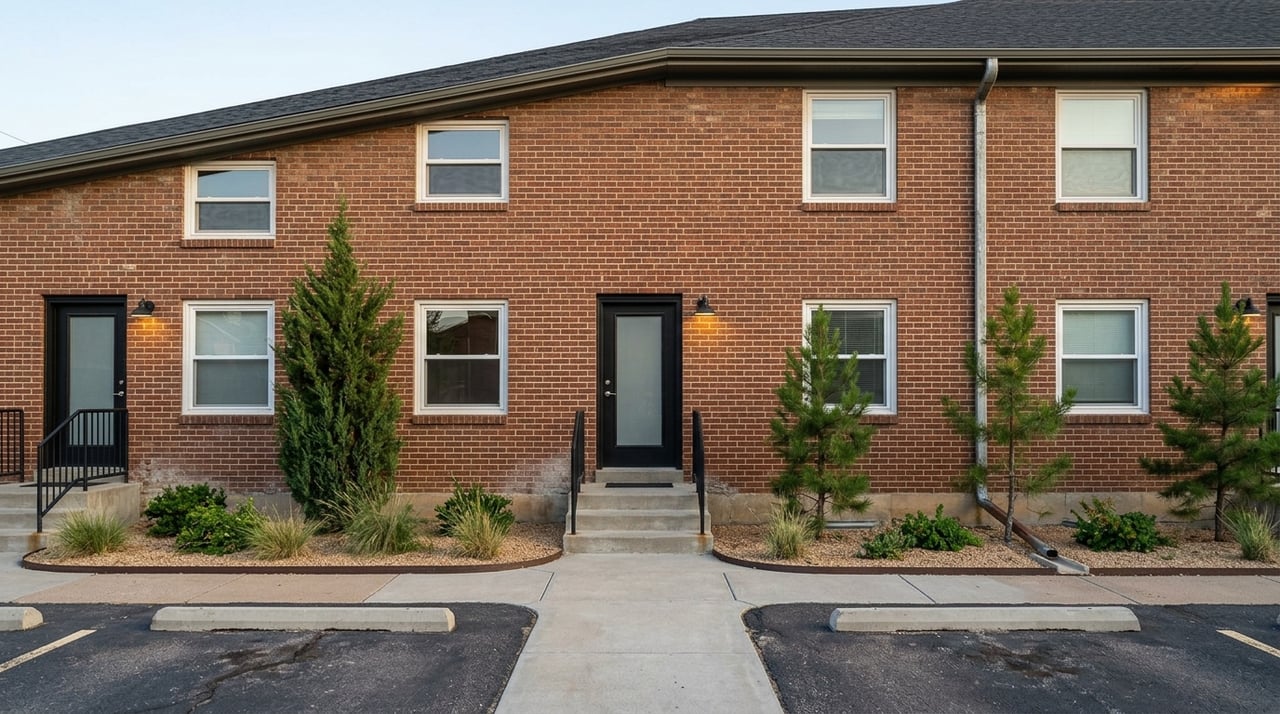
Fort Collins gives investors a wide range of possible replacement property types. Depending on your goals, that can include long-term rentals, student-oriented housing, multifamily properties, commercial buildings, and land or infill sites.
Part of that flexibility comes from the city’s land use framework. Fort Collins uses a Land Use Code that governs building types, height, size, parking, landscaping, open space, and approval processes, and the city continues to update parts of that code in phases.
That matters because a property may look good on paper but not actually support your intended use. In Fort Collins, the better question is not just “Can I buy this?” but “Can I use this the way I plan to use it?”
Another piece of the local picture is Colorado State University. CSU reports record total enrollment of 34,412 for the 2025-26 academic year, including 5,376 first-year students, with a five-year average enrollment of 33,728 students. That does not guarantee rental performance, but it does help explain why student-oriented and nearby rental housing remains part of many investor searches in Fort Collins.
Key 1031 deadlines you cannot miss
The biggest challenge in most exchanges is timing. Once your relinquished property closes, the federal clock starts immediately.
You have 45 days after the transfer of the property you sold to identify your replacement property. You then have until the earlier of 180 days after that transfer or the due date of your tax return for that year, including extensions, to receive the replacement property.
Those dates are strict. Missing either one can cause the exchange to fail.
How identification rules work
The IRS gives you a few ways to identify replacement property, but two rules matter most for most investors:
- Three-property rule: You can identify up to three properties regardless of value.
- 200% rule: You can identify any number of properties as long as their combined fair market value does not exceed 200% of the value of the property you sold.
In Fort Collins, these rules can be especially useful because a backup property may become important late in the process. A deal can change quickly if zoning, rental registration, or short-term rental restrictions do not line up with your intended use.
Why a qualified intermediary matters
In a deferred exchange, a qualified intermediary, often called a QI, is central to the process. The IRS safe-harbor structure requires a written exchange agreement, and the QI cannot be a disqualified person.
Just as important, the arrangement must limit your ability to receive, borrow, pledge, or otherwise benefit from the exchange funds before the exchange is complete. If you actually or constructively receive the sale proceeds too early, the IRS may treat the transaction as a sale or as a partially taxable exchange.
In simple terms, the money cannot pass through your hands if you want the exchange structure to hold up. Even when gain is deferred, the transaction is still reported on Form 8824 with your tax return for the year of the exchange.
Fort Collins due diligence comes first
In this market, local due diligence should start before your sale closes, not after. The 45-day identification window is short enough on its own, and it gets even tighter when you add zoning review, rental rules, and property-specific constraints.
Fort Collins directs property owners and investors to check zoning and subdivision details through its zoning map and FCMaps resources. The city also notes that some existing subdivisions may already have approved uses, which makes verification especially important for older homes, infill lots, and redevelopment candidates.
Start with zoning and allowed use
If you are buying in Fort Collins as part of a 1031 exchange, zoning should usually be your first screen. The city’s Land Use Code and zoning framework determine what uses are allowed, what standards apply, and what process may be required for approvals.
This is especially important if you are looking at:
- Older homes with possible conversion potential
- Infill or redevelopment sites
- Commercial corridor properties
- Mixed-use possibilities
- Land held for a future investment plan
A property can qualify under federal 1031 rules and still be a poor replacement choice if local rules do not support your business plan.
Check rental registration for long-term rentals
As of January 1, 2025, most Fort Collins long-term rental properties, meaning homes rented for 30 days or more, must register annually with the city and certify that they meet minimum housing standards.
If your exchange target is a single-family rental, duplex, or small multifamily building intended for buy-and-hold income, this is not a small detail. It is a local compliance issue that can affect your operating plan from day one.
Review short-term rental rules carefully
Fort Collins defines short-term rentals as rentals offered for less than 30 days. The city allows both primary and non-primary short-term rentals in some areas, but zoning restrictions apply.
The city also states that short-term rentals are not allowed in multi-family R-2 buildings unless the entire building meets the R1 code requirements. If you are considering a furnished rental or a more flexible leasing strategy, this is the kind of rule that needs to be confirmed before you identify the property, not after.
Build your shortlist before the sale closes
A common mistake is waiting until the sold property closes before getting serious about replacement options. In a market like Fort Collins, that can put too much pressure on a 45-day window that is already narrow.
A better approach is to pre-screen multiple candidates before closing. That usually means looking at zoning, intended use, rental registration needs, short-term rental eligibility if relevant, subdivision details, and basic feasibility before your exchange clock starts.
Why backup properties matter
The three-property rule often works well in Fort Collins because replacement candidates can fall out for reasons that have nothing to do with price. A promising property might not fit the intended use once zoning is reviewed, or a rental strategy may not line up with the city’s current rules.
By identifying more than one strong option, you give yourself room to adjust without losing the exchange. That kind of planning is not about being pessimistic. It is about protecting your timeline.
Match the property to your investment plan
The strongest replacement property is not always the one with the most obvious appeal. It is the one that best fits your actual business plan and can realistically operate the way you intend under local rules.
In Fort Collins, investors often look at opportunities such as:
- Long-term rental housing
- Student-oriented rental properties near CSU demand drivers
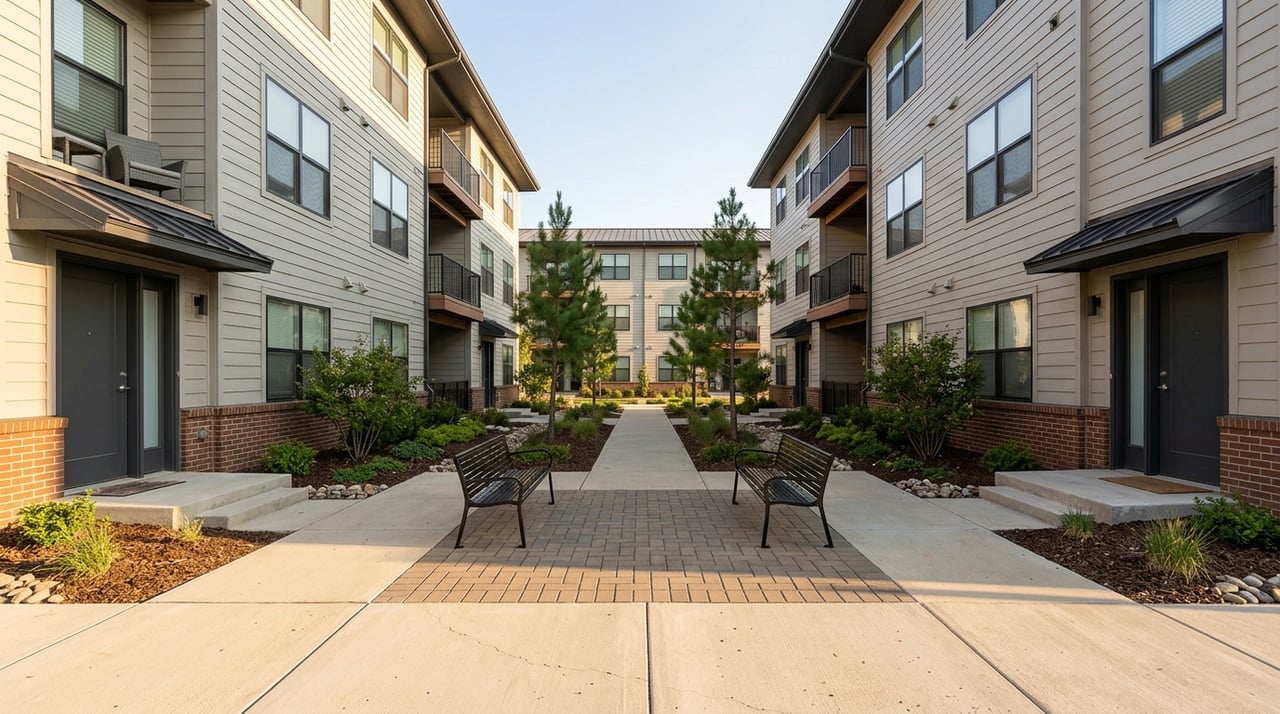
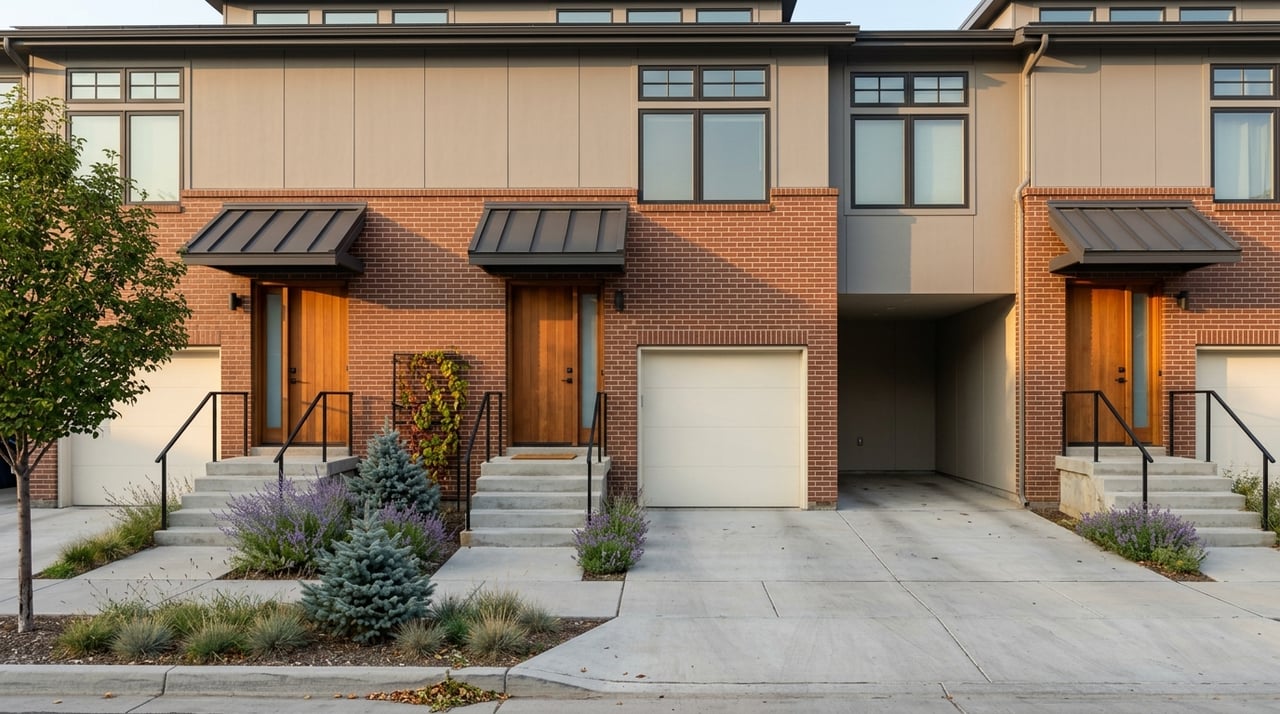
- Duplex to small or mid-size multifamily assets
- Land and infill opportunities
- Commercial real estate including retail, office, and industrial property
Each of these paths comes with a different due diligence checklist. For an older or redevelopment-oriented property, it often makes sense to review zoning first, then rental or short-term rental compliance, then building condition and project feasibility.
Common ways an exchange gets into trouble
Most exchange problems come back to a few predictable issues. The federal rules are clear, and the practical mistakes tend to repeat.
Watch for these risks:
- Missing the 45-day identification deadline
- Missing the 180-day receipt deadline
- Receiving cash or other non-like-kind property that creates taxable gain
- Failing to use a proper qualified intermediary structure
- Identifying a Fort Collins property before confirming it fits the intended use under local rules
The last point is easy to overlook. A property can be legally valid as replacement property for federal tax purposes, but still create operational or approval problems if the local land use and rental rules do not match your plan.
Where local guidance can help
A local broker can add the most value when time is tight and the search is not just about finding a property, but about screening whether it truly works. In Fort Collins, that often means quickly checking zone district, allowed use, rental registration status, short-term rental eligibility, and whether subdivision or vested-rights issues could affect the plan.
That kind of local screening matters even more when you are moving across property types. If you are exchanging into student housing, small multifamily, land, or commercial property, the local details can shape both risk and opportunity.
Don’t forget Colorado tax follow-up
Even if the federal 1031 exchange is structured correctly, Colorado tax issues should still be confirmed separately. Colorado imposes income tax on residents and Colorado-source income, and the state’s individual income tax is generally based on federal taxable income with modifications.
That is why many investors coordinate early with a Colorado CPA. It is a practical step that can help you avoid surprises when the exchange is complete.
A 1031 exchange can be a powerful way to reposition your portfolio into Fort Collins property, but the best results usually come from preparation, not speed alone. If you want a calm, strategic look at replacement options in Fort Collins, student housing, multifamily, land, or commercial property, Michael Jensen can help you evaluate what fits your goals and what deserves a closer look.
FAQs
Can you use a 1031 exchange to buy Fort Collins property from another state?
- Yes. In general, the IRS allows an exchange from one qualifying U.S. investment property into another qualifying U.S. investment property, even when the properties are in different states.
Can a Fort Collins 1031 exchange move from a single-family rental into multifamily or commercial property?
- Yes. In general, qualifying U.S. real property held for investment or business use can be exchanged for other qualifying U.S. real property, even when the property types differ.
What are the main deadlines for a 1031 exchange into Fort Collins property?
- You generally must identify replacement property within 45 days after the sale of the relinquished property and receive the replacement property by the earlier of 180 days after the sale or the due date of that year’s tax return, including extensions.
Do Fort Collins rental rules matter when choosing a 1031 replacement property?
- Yes. Long-term rentals of 30 days or more generally must register annually with the city as of January 1, 2025, and short-term rentals under 30 days are subject to local zoning and use restrictions.
Why should you check zoning before identifying Fort Collins replacement property?
- Zoning and the Land Use Code help determine whether the property supports your intended use, which is especially important for student rentals, multifamily property, commercial buildings, infill sites, and redevelopment opportunities.
Do you still report a 1031 exchange if no gain is recognized right away?
- Yes. The exchange is still reported to the IRS on Form 8824 for the tax year in which the exchange occurs.