If you are comparing student rentals versus traditional rentals in Fort Collins, the biggest mistake is looking only at headline rent. In this market, Colorado State University changes how demand works, how leases are structured, and when turnover happens. If you understand those differences clearly, you can make a better decision about which rental model fits your goals. Let’s dive in.
Why Fort Collins Has Two Rental Lanes
Fort Collins is not a one-size-fits-all rental market. It is a mixed owner and renter city, with a 51.6% owner-occupied rate and a median gross rent of $1,690. HUD also reported a 6.7% rental vacancy rate and a 6.3% apartment vacancy rate as of the second quarter of 2024, which points to an active market rather than clear oversupply.
What makes Fort Collins different is the size of the CSU influence. Colorado State University enrolled 34,412 students in Fort Collins in fall 2025, including 5,376 first-year students. HUD estimated that in fall 2023, about 27,650 CSU students lived off campus, representing roughly 9,225 renter households and about 16% of all renter households in the housing market area.
That is why student rentals should be treated as a distinct submarket, not just another version of a regular rental. Near CSU, leasing activity tends to follow the academic calendar, roommate demand, and bedroom-based pricing. Traditional rentals, by contrast, are usually driven more by the broader household market across Fort Collins.
How Student Rentals Work
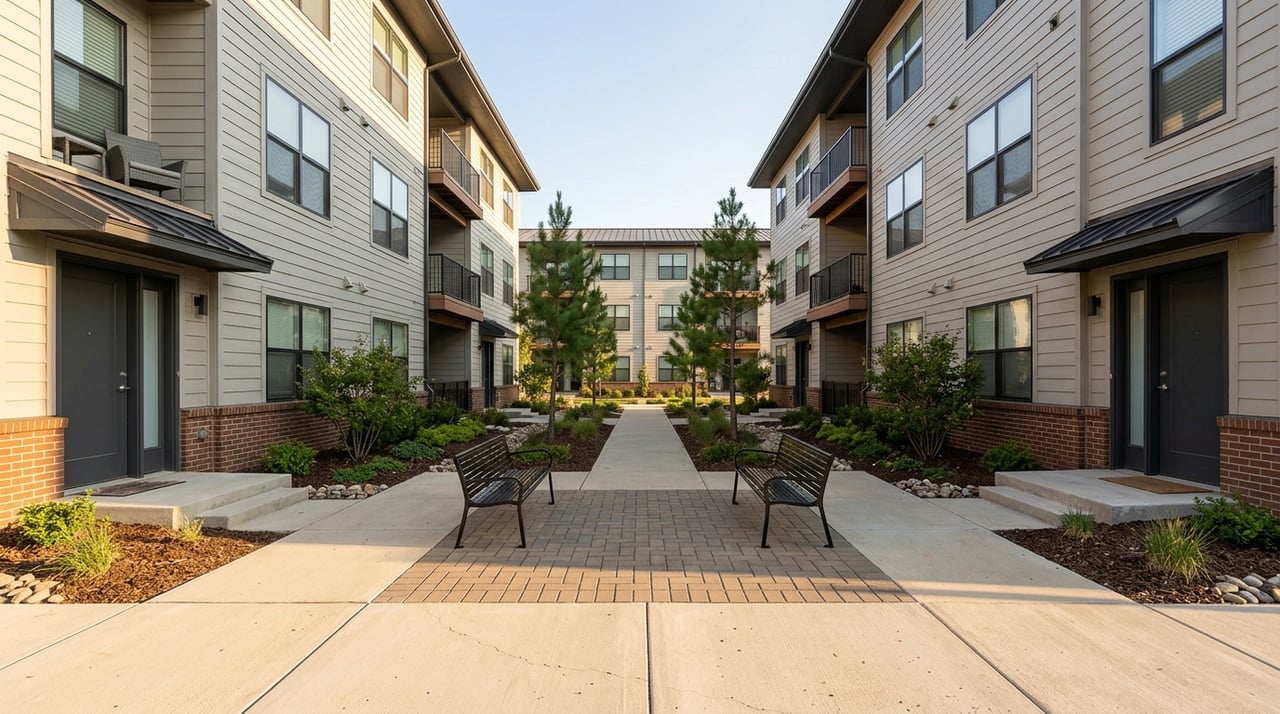
Student rentals in Fort Collins often operate on a very different model from a standard house or townhome lease. Many off-campus student apartments are leased by the bedroom rather than by the whole unit. HUD found that these student-oriented apartments made up about 17% of all apartments in the housing market area, with a 4.8% vacancy rate and an average asking rent of $811 per bedroom in Q2 2024.
That per-bedroom figure matters, but it needs context. You should not compare $811 per bedroom directly to citywide whole-unit rent data because the pricing structure is different. A student rental may look stronger on paper if you only focus on total collected rent, but the operating model is also more hands-on.
CSU’s Off-Campus Life guidance shows how predictable this cycle can be. Students are encouraged to start searching in the fall, review options during winter break, and sign leases between January and April. Many leases begin in August, which creates a compressed, seasonal leasing window.
How Traditional Rentals Work
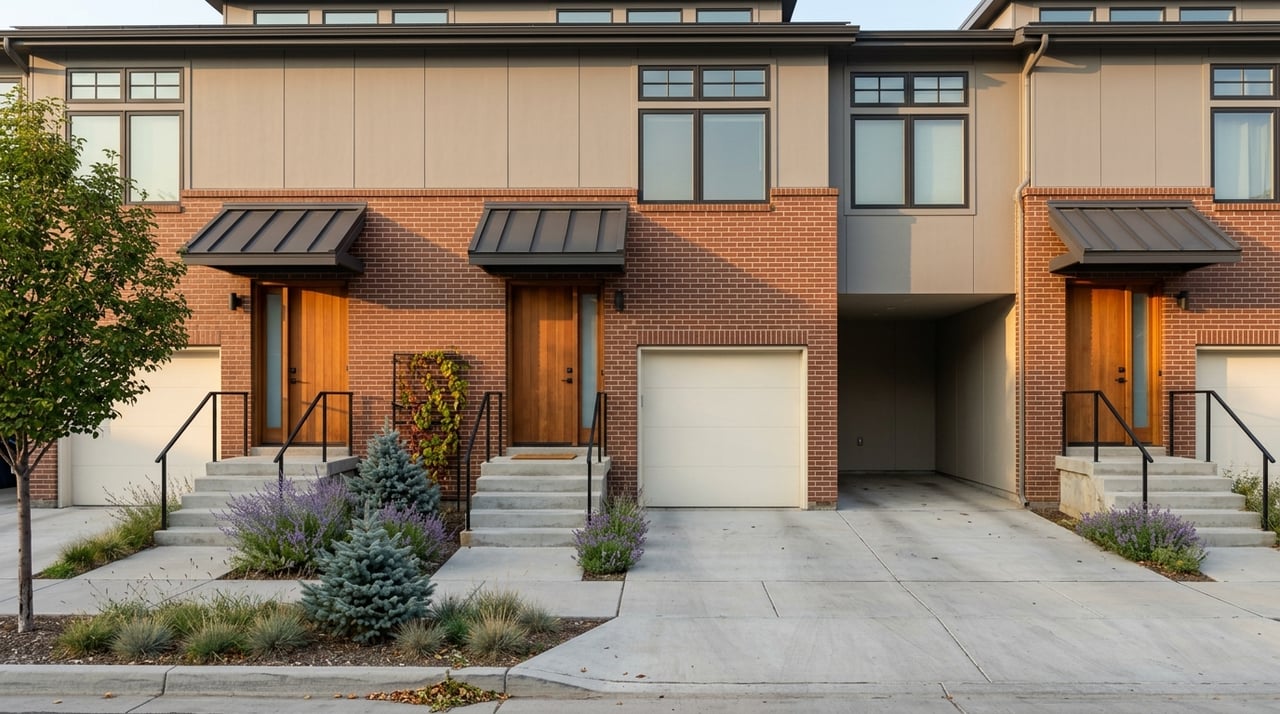
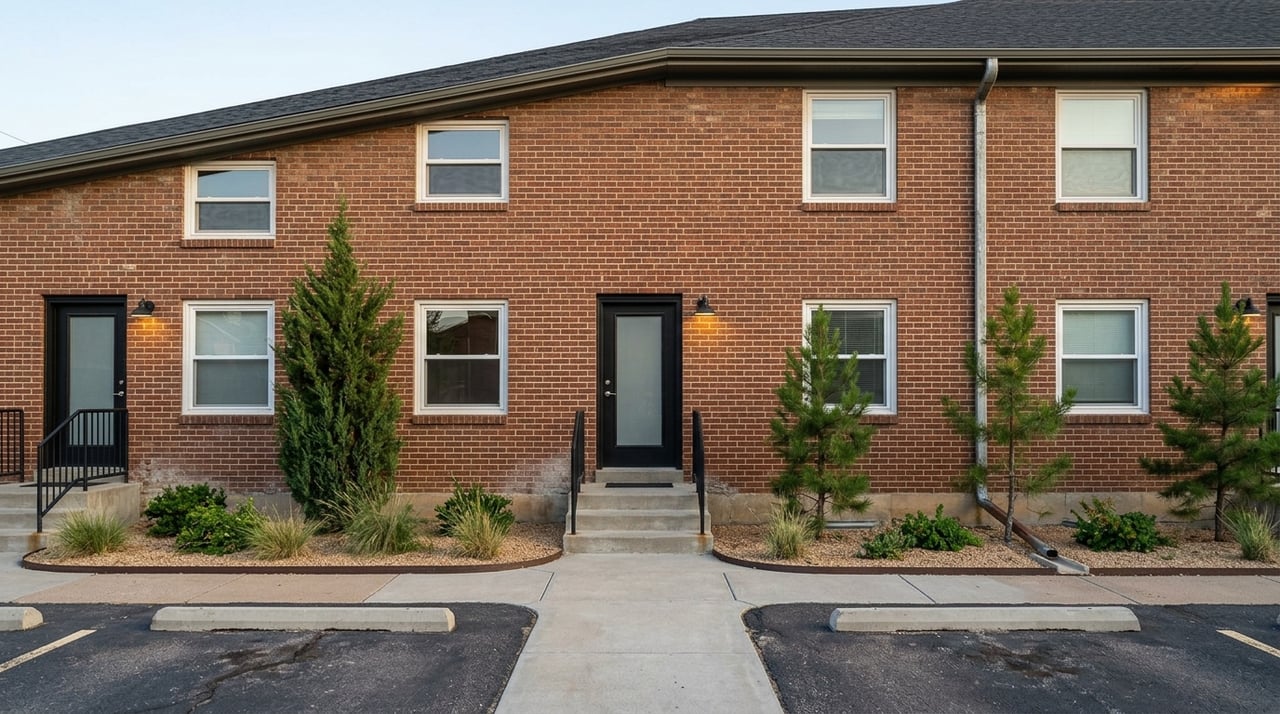
Traditional rentals in Fort Collins usually follow a broader market rhythm. These are often single-family homes, townhomes, duplexes, or standard apartment units rented as a whole unit rather than by the bedroom. HUD reported that in 2023, 36% of occupied rental units were single-family attached or detached, 16% were multifamily buildings with two to four units, and 46% were multifamily buildings with five or more units.
That matters because homes and townhomes remain an important part of the local rental stock. If you own a traditional rental, your demand is generally less tied to CSU’s semester schedule. Instead, your leasing pace is more likely to reflect broader household moves, job changes, and standard relocation patterns in Fort Collins.
The city’s landlord-tenant handbook also notes that many apartments are listed 30 to 60 days before move-in. That shorter marketing window is one reason traditional rentals often feel less calendar-driven than student housing. In simple terms, student rentals usually require earlier pre-leasing, while traditional rentals often move on a more typical timeline.
The Biggest Difference Is Operations
The clearest way to compare these two models is this: student rentals are often bed-based and calendar-driven, while traditional rentals are usually whole-unit and broader-market-driven. That distinction shapes almost everything from marketing to tenant coordination.
With a student rental, you may need to think months ahead about August move-ins, summer turnover, and roommate group formation. With a traditional rental, you are usually managing around standard move timelines and a wider tenant pool. Neither approach is automatically better, but they are not interchangeable.
Student rentals can also bring more moving parts because roommate arrangements are common. CSU student resources note that leases often involve joint and several liability, which means each tenant can be responsible for the full rent if a roommate does not pay. That can support collectability in one sense, but it also adds relationship and coordination risk.
Traditional rentals are often simpler to manage from a leasing structure standpoint. One household renting one unit is usually easier to market, easier to document, and less dependent on multiple people staying aligned. If your goal is a more straightforward operating model, that difference should carry real weight.
Vacancy And Demand Look Different
Student rentals near CSU may benefit from recurring demand tied to enrollment. HUD’s 2024 analysis found that off-campus student apartments had a lower vacancy rate than the overall apartment market. That suggests campus-oriented product can hold demand well when it is in the right location and aligned with student preferences.
Still, lower vacancy does not automatically mean easier ownership. A property can lease quickly and still require more turnover work, more pre-leasing discipline, and more tenant coordination. Strong demand is helpful, but it does not erase operational complexity.
Traditional rentals may not have the same built-in academic cycle, but they can appeal to a broader set of renters. That broader-market demand can be useful if you want flexibility in positioning the property. A house or townhome farther from campus is often a different kind of asset than a campus-adjacent student house, even if both are rentals in Fort Collins.
Fort Collins Rules To Factor In
If you own or plan to buy a long-term rental in Fort Collins, city and state rules matter. As of January 1, 2025, most long-term rentals of 30 days or more must register annually with the City of Fort Collins and self-certify that they meet minimum housing standards. The base fee is $37 per property, plus $10 for each additional rental unit on the same parcel.
The city does not require an inspection to complete registration, but renters can request an inspection if they believe the property does not meet standards. Minimum standards include working windows, heat, water, smoke alarms, and egress requirements. For older homes, especially those often considered for student use, those items can affect repair timing and budget planning.
Fort Collins also says the rental housing program offers repair grants, with funding rounds that typically open in December for the following year. If you are looking at an older rental property that may need updates, that is worth keeping on your radar as part of your planning.
Another important change is occupancy. Fort Collins no longer enforces the old family-based occupancy limits. The city aligned with Colorado law in July 2024 by eliminating those restrictions, while health and safety based occupancy limits still apply, so bedroom count and code compliance still matter.
Security Deposits And Turnover Costs
Colorado law also affects how you should think about turnover and cash flow. Current state law caps security deposits at two months’ rent. State guidance also indicates that tenants typically pay the first month’s rent plus a security deposit.
Colorado law requires the deposit and any accounting to be returned within 30 days unless the lease allows a longer period, but not more than 60 days. That timing matters in both student and traditional rentals, especially if you are coordinating repairs, cleaning, and re-leasing. In a student rental with concentrated summer turnover, timing can feel especially tight.
Which Rental Model Fits Your Goals?
If you are choosing between student rentals and traditional rentals in Fort Collins, start with the operating model, not the headline revenue. A student rental should be judged on bedroom-level rent, pre-leasing discipline, roommate default exposure, and how well you can handle concentrated turnover around August. That model can make sense if you want to be close to the CSU-driven demand cycle and you are comfortable with more active coordination.
A traditional rental should be judged on whole-unit demand, vacancy resilience, maintenance needs, and how it fits the wider Fort Collins household market. That model may be a better fit if you want a less seasonal leasing cycle and a simpler day-to-day structure. It can also offer more flexibility in how you position the property over time.
The right choice usually comes down to your risk tolerance, time horizon, and how involved you want to be. In Fort Collins, the real difference is not just student versus non-student. It is whether you want an asset that runs on the CSU calendar or one that serves the broader rental market.
If you want help thinking through a student rental, a traditional rental, or the long-term upside of a Fort Collins property, Michael Jensen brings a calm, strategic approach shaped by years of local market and investment experience.
FAQs
What makes student rentals different from traditional rentals in Fort Collins?
- Student rentals are often leased by the bedroom and follow CSU’s academic calendar, while traditional rentals are usually leased as whole units and follow the broader Fort Collins household market.
How large is the CSU impact on the Fort Collins rental market?
- CSU has a major effect on local demand. HUD estimated that off-campus CSU students represented about 9,225 renter households and roughly 16% of all renter households in the housing market area.
Are student rental vacancy rates lower in Fort Collins?
- HUD reported that off-campus student apartments had a 4.8% vacancy rate in Q2 2024, which was lower than the overall apartment vacancy rate of 6.3%.
When do student rentals usually lease in Fort Collins?
- CSU Off-Campus Life recommends that students start searching in the fall, review options over winter break, sign leases between January and April, and prepare for many leases that begin in August.
Do Fort Collins rentals need to be registered with the city?
- Yes. As of January 1, 2025, most long-term rentals of 30 days or more in Fort Collins must be registered annually with the city and self-certified for minimum housing standards.
Do occupancy rules still limit student rentals in Fort Collins?
- Fort Collins no longer uses the old family-based occupancy limits, but health and safety based occupancy rules still apply, so bedroom count and code compliance remain important.