Wondering whether a condo or townhome is the smarter move in Loveland? You are not alone. For many buyers, attached housing can be a practical way to lower the purchase price, reduce some maintenance work, and stay close to the parts of Loveland they use every day. The key is knowing that these two property types can look similar on the surface while working very differently once you own them. This guide will help you compare cost, maintenance, ownership, and location so you can make a more confident decision. Let’s dive in.
Start With Ownership, Not Labels
In Colorado, the words condo and townhome do not always tell you the full story. What matters most is the ownership structure created by the community documents, not just the listing description.
A condominium is a common interest community where some portions are separately owned and other portions are owned in common by all owners. A planned community is a different category, and that often means you own the structure and a defined surrounding area more directly. In many Loveland townhome communities, the declaration, plat map, bylaws, and rules will spell out exactly what you own, what is shared, and what the association controls.
That is why the practical question is not just, “Is this a condo or a townhome?” It is, “What am I actually responsible for after closing?” If you skip that step, you can end up with very different maintenance duties and costs than you expected.
Why Attached Housing Matters in Loveland
Loveland gives buyers a real reason to look closely at condos and townhomes. The city’s 2026 housing assessment says the average sales price is nearly $600,000, and many households are already stretching on housing costs.
At the same time, the local market update for March 2026 showed a median sales price of $399,900 for the townhouse and condo segment, compared with $520,000 for the broader single-family segment. That gap makes attached housing an important option if you want to enter the market, stay closer to your budget, or keep more flexibility in your monthly finances.
The city also says Loveland needs 4,573 new housing units over the next decade. Current planning and development activity shows attached housing remains part of the local mix, including townhomes, duplexes, and other medium-density options.
When a Condo May Fit Better
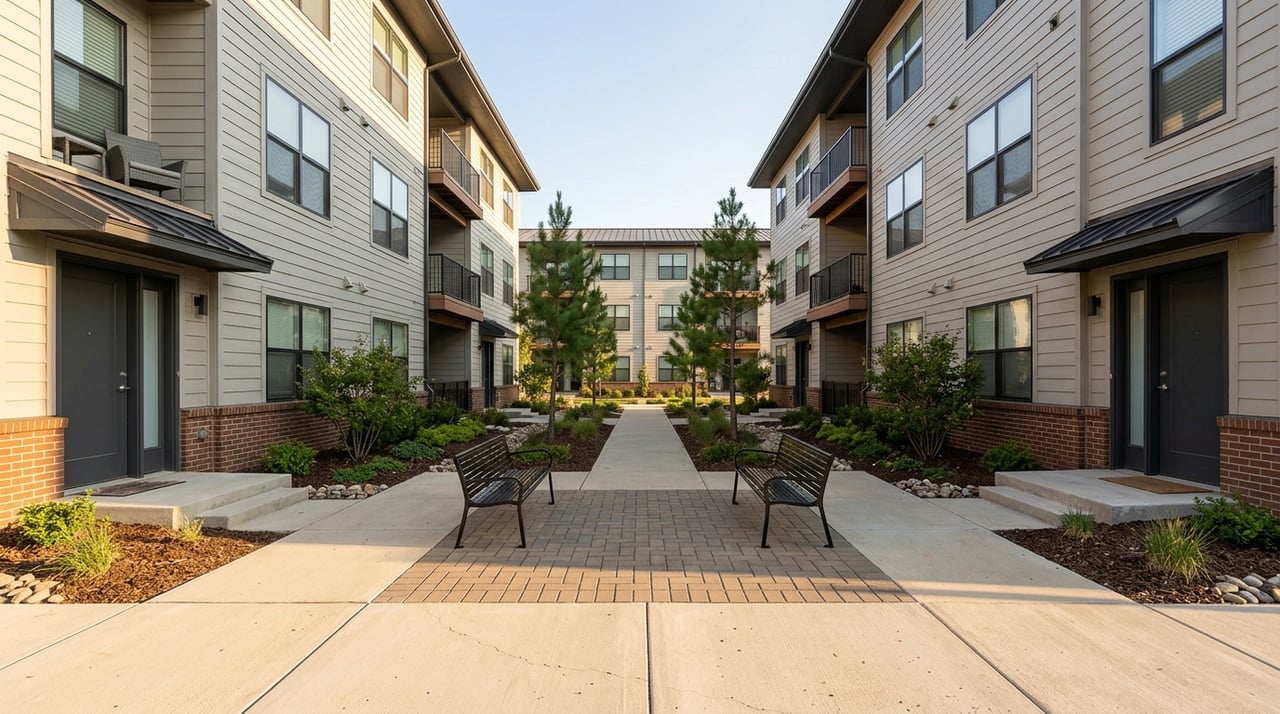
A condo can be a strong fit if you want the association to handle more of the exterior and common-area workload. That can be appealing if you travel often, want less day-to-day upkeep, or simply prefer a more managed property setup.
In many condo communities, the association may be responsible for exterior elements, common spaces, insurance on common elements, and other shared maintenance items. That can simplify ownership, but it also means you need to look closely at dues, reserve funding, and how well the HOA is run.
A condo may be worth a closer look if you want:
- Lower entry pricing compared with many single-family homes
- Less direct responsibility for exterior upkeep
- Shared amenities or common spaces
- A more lock-and-leave style of ownership
The tradeoff is that you are relying more heavily on the association’s finances, policies, and maintenance planning. If the HOA is underfunded or poorly managed, that can affect your monthly cost and future resale experience.
When a Townhome May Fit Better
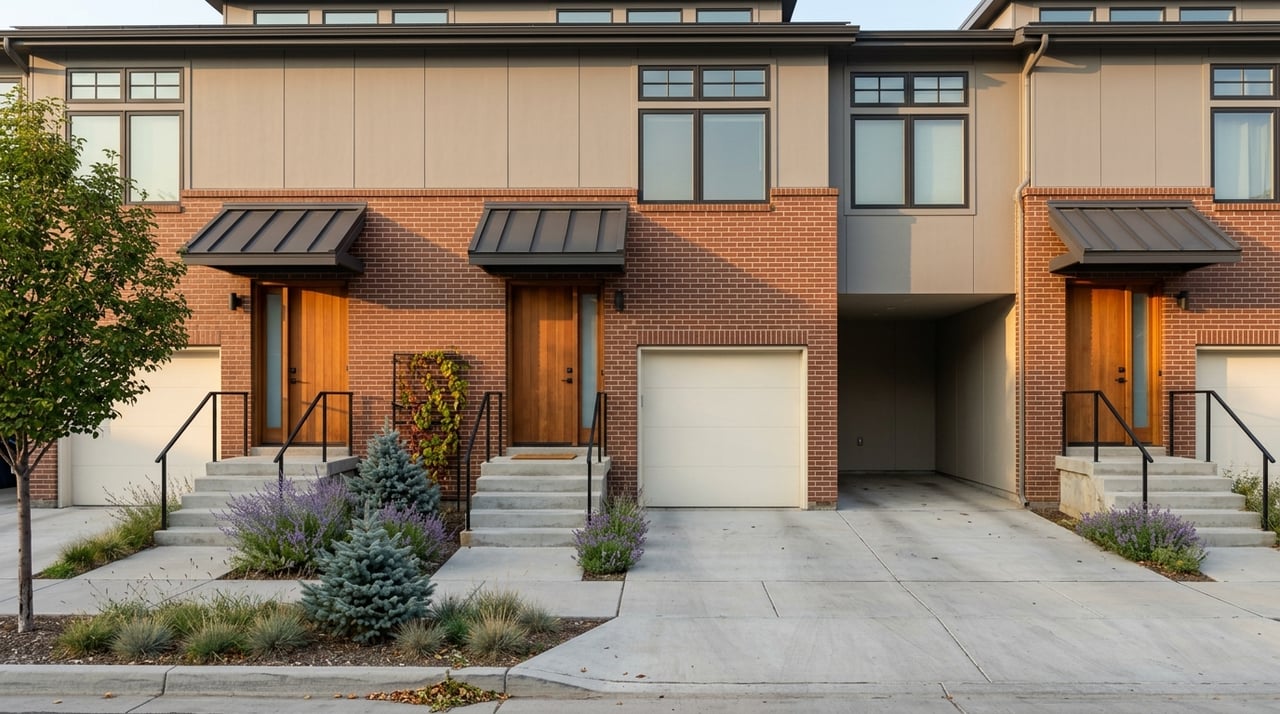
A townhome often appeals to buyers who want attached living but also want more direct control over the home itself. In Colorado, though, you still need to verify exactly what is exclusively owned and what is shared.
Some townhome owners have responsibility for more of the structure or surrounding area than condo owners do. In other communities, the HOA may still handle significant exterior work. That is why two Loveland townhomes can have very different ownership realities even if they look almost identical online.
A townhome may be a better fit if you want:
- Attached living with a more house-like feel
- More clearly defined private outdoor area, if the documents provide it
- A balance between shared maintenance and personal control
- A purchase price that may still sit below many detached homes
The main lesson is simple. Never assume a townhome gives you more freedom just because of the name. Read the documents and confirm the details.
Compare the Real Monthly Cost
Price matters, but the better comparison is total monthly cost. In Loveland, that means looking beyond the sale price and adding HOA dues, insurance exposure, and the chance of future special assessments.
Colorado’s HOA guidance makes clear that boards can control common-area maintenance, some exterior maintenance, budgets, insurance, covenant enforcement, delinquent assessments, and certain unit-use rules. Associations are also required to insure common elements and liability, and Colorado law requires a reserve-study policy. A 2022 law added mandatory reserve studies for communities with major shared components.
That is important because a lower purchase price can be offset by higher dues or deferred maintenance. A community with healthy reserves and steady planning may be less risky than one with low dues but poor long-term funding.
Here is the better way to compare options when you tour a Loveland condo or townhome:
- Mortgage payment
- Property taxes
- HOA dues
- Your personal insurance needs
- Possible deductible exposure
- Likelihood of special assessments
- Expected out-of-pocket maintenance
If you only compare list prices, you may miss the real financial picture.
HOA Questions to Ask Before You Offer
In attached housing, the HOA is part of the property you are buying into. That makes document review and financial review just as important as the floor plan or finishes.
Colorado says there is no central repository for HOA governing documents, and buyers are generally not entitled to them until they are under contract. The declaration may sometimes be available from the county Clerk and Recorder, and the state recommends reviewing budgets, financial statements, insurance policies, meeting minutes, and annual disclosures.
When you are evaluating a Loveland condo or townhome, ask these questions on every tour:
- What do the HOA dues cover?
- Who handles exterior maintenance?
- Who handles landscaping?
- Is there a current reserve study?
- Are any special assessments planned?
- What is the dues history?
- Are there restrictions on rentals?
- Are there restrictions on exterior changes?
- What insurance does the HOA carry?
- What insurance or deductible exposure would you carry personally?
These are not minor details. They shape your monthly budget, your flexibility, and your risk after closing.
Maintenance Tolerance Matters More Than You Think
One of the biggest differences between condos and townhomes is how much hands-on responsibility you want. Colorado DORA notes that maintenance issues are more common in attached home communities such as condos and townhomes, while landscaping issues are common across all HOAs.
That does not mean attached housing is a bad choice. It means you should be realistic about what kind of ownership experience you want. Some buyers are happy to trade autonomy for convenience, while others want fewer shared decisions and fewer association rules.
A good self-check is to ask yourself:
- Do you want to handle less exterior upkeep?
- Are you comfortable living under HOA rules?
- Do you prefer predictable dues over surprise repair projects?
- Do you want more control, even if it means more responsibility?
Your answers can point you toward the right fit faster than any marketing brochure will.
Loveland Location Can Change the Decision
Not all attached housing in Loveland offers the same day-to-day experience. Location within the city can affect convenience, future demand, and how the area changes over time.
Loveland sits at the crossroads of US 34 and I-25, with COLT local transit, FLEX regional service, and a trail system of more than 30 miles. The city’s 287 Corridor Plan identifies US 287 as a major north-south route, a future growth area, and a redevelopment gateway with more retail, office, residential, and mixed-use investment. The city is also focused on revitalization in downtown Loveland and in Centerra South through urban renewal efforts.
For you as a buyer, that can create both upside and tradeoffs. An attached home near downtown or a growth corridor may offer easier access to amenities, commuting routes, trails, or everyday services. It may also come with more nearby construction, traffic changes, or evolving land use over time.
This is where a strategy mindset helps. You are not just buying the unit. You are buying into a location, a rules structure, and a future maintenance system.
A Simple Way to Decide
If you are stuck between a condo and a townhome in Loveland, strip the decision down to three filters: monthly cost, maintenance tolerance, and location.
Choose the option that best matches your budget after dues and insurance. Choose the setup that matches how much responsibility you actually want. Then choose the location that fits your routine and your comfort with future change.
That approach is more useful than chasing labels. In this segment of the Loveland market, the best purchase is usually the one where the documents, dues, and location all make sense together.
If you want a calm, practical second opinion before you move forward, Michael Jensen can help you compare the real tradeoffs and focus on long-term value, not just the listing pitch.
FAQs
What is the main difference between a condo and a townhome in Loveland?
- In Loveland and throughout Colorado, the biggest difference is often the ownership structure in the community documents, not the label in the listing. You need to verify what you own directly, what is shared, and what the HOA controls.
Are condos usually cheaper than single-family homes in Loveland?
- Based on the March 2026 local market update, the median sales price for the townhouse and condo segment in Loveland was $399,900, compared with $520,000 for the broader single-family segment.
What HOA documents should you review for a Loveland condo or townhome?
- Colorado recommends reviewing the declaration, budgets, financial statements, insurance policies, meeting minutes, and annual disclosures so you can better understand maintenance responsibilities, reserves, dues, and possible assessments.
What should HOA dues cover in a Loveland attached home community?
- It depends on the specific community, but dues may help pay for common-area maintenance, some exterior maintenance, insurance, and other shared expenses. You should ask for a clear breakdown before moving forward.
How does location affect condo or townhome value in Loveland?
- Attached homes near downtown, US 287, Centerra South, or other growth areas may offer convenience and access to amenities, transit, trails, and major routes, but they may also be more affected by construction, traffic changes, or evolving land use.
Is a townhome always easier to control than a condo in Loveland?
- No. Some townhome communities still have significant HOA control, so you should confirm ownership boundaries, maintenance duties, and restrictions in the governing documents rather than relying on the property type alone.